














Restaurant Analytics Software for Data‑Driven Decision Making
Software that transforms raw data into meaningful intelligence every single day.
Restaurant success has always depended on instinct, skill, and experience, but today, operators also need data clarity to protect margins and stay ahead of market change. Buyers Edge Platform Restaurant Analytics Software delivers real-time insights into spend, pricing, ingredient performance, and procurement activity, helping restaurants make smarter decisions that boost profitability.
Why Restaurant Analytics Software Matters
Modern restaurants face pressure from every direction: higher ingredient prices, labor shortages, supply chain disruption, shifting guest traffic, and razor-thin margins. Without accurate data, operators are left guessing where money is going and where it is lost.
Restaurant Analytics Software eliminates blind spots by centralizing purchasing and operational data into one platform. Operators can easily identify cost trends, verify pricing, evaluate supplier performance, and understand menu profitability, leading to stronger decisions and better financial outcomes.
Key Benefits for Restaurant Owners & Operators
Visibility Into Purchasing Activity
Track every ingredient, vendor, category, and invoice to reveal true cost structure.
Spot waste, incorrect pricing, and variance before they erode profit.
Leverage historical data to predict demand and guide inventory decisions.
Compare outlets, monitor trends, and drive consistency throughout your network.
Turn hours of manual reporting into automated dashboards and actionable alerts.
Core Features of Our Restaurant Analytics Software
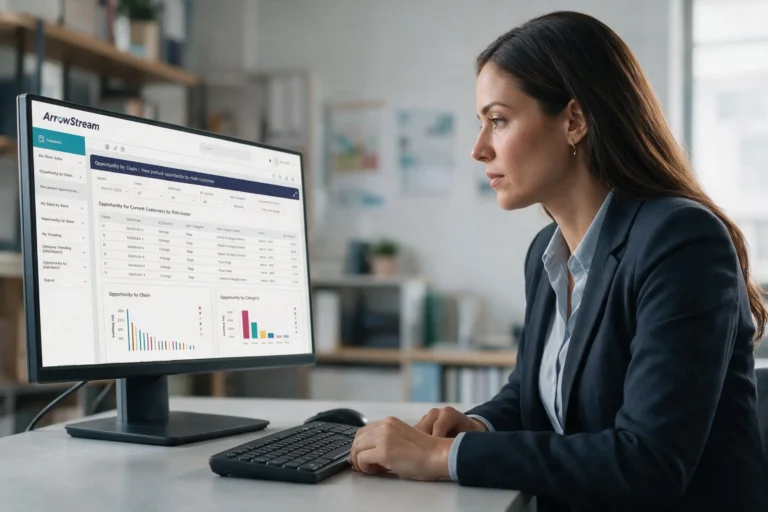
Real-Time Spend Dashboards
View detailed cost breakdowns at the ingredient, category, vendor, and outlet level.
Price Verification & Contract Tracking
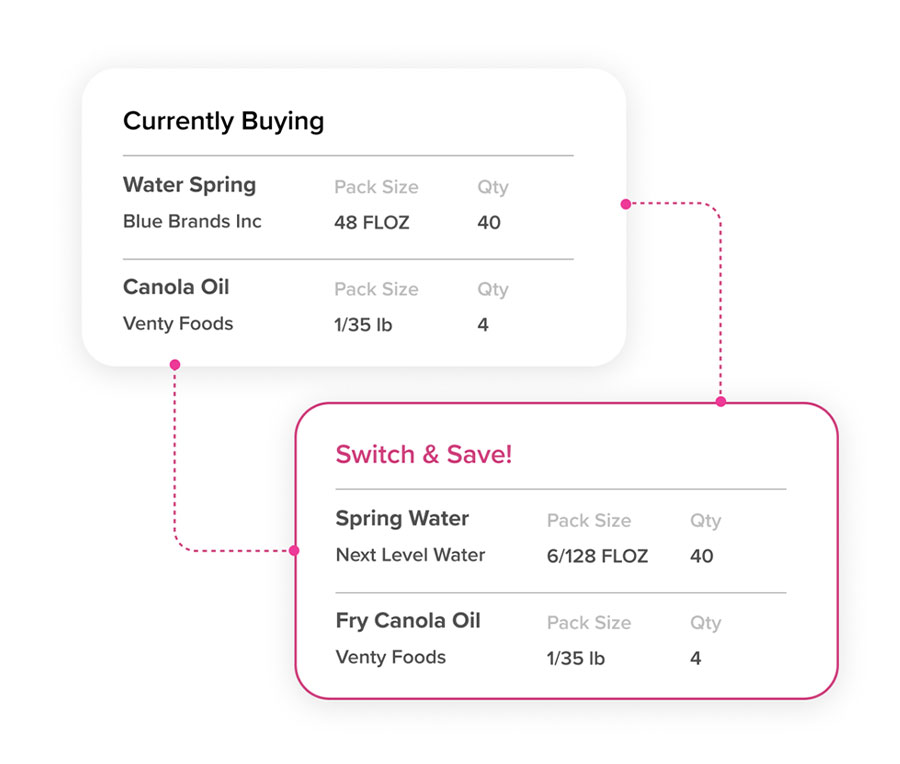
Monitor item costs against negotiated rates to ensure pricing accuracy.
Menu & Category Analysis Tools
Understand high-cost products, low-margin items, and opportunities to adjust pricing.
Inventory & Usage Reporting
Measure real-time movement and reduce food waste through tighter planning.
Supplier Performance Evaluation
See product consistency, fill rates, and cost compliance across partners.
Historical Data Comparison
Analyze trends month-over-month or year-over-year to surface patterns.
Advanced Analytics & Reporting Capabilities
Beyond standard reporting, this platform offers intelligent analytics designed to strengthen restaurant efficiency:
Predictive Demand Insights
Use data to anticipate ingredient needs and avoid overbuying.
Variance Reporting
Track actual usage vs. expected performance to diagnose margin leaks.
Automated KPI Tracking
Monitor key financial and operational metrics in real time.
Customized Financial Views
Build reports unique to FOH, BOH, purchasing teams, or executive leadership.
Multi-Brand & Multi-Vendor Analysis
Evaluate product spend across all suppliers to spot cost-saving opportunities.
These capabilities help operators reduce operating costs, improve planning accuracy, and support profitable scaling.
Industry Applications
Quick-Service Restaurants
Fast-moving menu cycles and tight margins require accurate data to guide purchasing decisions and optimize ingredient costs.Full-Service Restaurants
Drive menu profitability and increase operational efficiency through deeper ingredient-level visibility.Multi-Location Restaurant Groups
Compare outlets, monitor inventory performance, and standardize menu margins across multiple properties.Testimonials
O’Reilly Hospitality, Procurement Manager
Firekeepers Casino
Caesars Entertainment
FAT Brands, QSR Division, VP Purchasing & Supply Chain
“They make you a better company.”
Hot Table, Co-Owner
“It’s freed up a lot of bandwidth for us allowing us to provide more value to our franchisees.”
FAT Brands, QSR Division, Chief Supply Officer
Cowboy Chicken
Fizz Drinks, VP Operations
Insights & Resources
Read the latest insights that our data has uncovered about the industry.
Bar Inventory Management: Techniques to Protect Liquor Profits
Hotel Management: A Complete Guide 2026
The Power of the Right Partners Behind Menu Innovation
Sustainability in Food Service: Eco-Friendly Practices That Pay Off
The Top Financial Metrics Investors Actually Care About
Food Inventory Management: Reduce Waste and Boost Profitability
Why Multi-Unit Foodservice Operators Benefit from Partnering with a Produce Management Company
Restaurant KPIs: The Most Important Metrics to Track
How Technology is Transforming the Hospitality Industry
Buyers Edge Platform and Entegra Renew Long-Term Partnership to Deliver Enhanced Value for the Foodservice Industry
Frequently Asked Questions
Restaurant analytics software can pull in data from several parts of the business. That includes purchasing records, ingredient costs, vendor pricing, inventory movement, and sales information. When all of that data sits in one place, operators can see how ingredients are being used, what items cost over time, and where money is actually going across the operation.
Yes, and that’s one of the areas where analytics can really help. When the system compares purchasing data with usage and sales trends, it becomes easier to spot problems. Maybe a product is being over-ordered, maybe prices jumped without anyone noticing, or maybe inventory is moving slower than expected. Those patterns tend to show up quickly once the data is visible.
Most restaurant analytics tools are built to connect with POS platforms. That connection allows sales data to flow directly into the reporting system instead of being entered manually. When purchasing and sales information are connected, operators get a clearer view of how product costs relate to menu performance.
Over time, the software builds a history of purchasing and sales activity. Looking at that data makes it easier to anticipate demand. For example, operators can see how ingredient usage changes during busy seasons, weekends, or special events. Those patterns help teams order more accurately and avoid both shortages and excess inventory.
Yes. Different teams often need to see different types of information. A chef might want to look at ingredient costs, while a finance leader may focus on overall spend or margin trends. Most analytics platforms allow users to build dashboards or reports around the data that matters most to their role.
It can. When purchasing, pricing, and usage data are visible in one place, small issues are easier to spot. That might be incorrect pricing from a supplier, products being used faster than expected, or menu items that aren’t generating enough margin. Catching those details early helps restaurants protect profitability over time.
Transform Your Restaurant with Data-Driven Intelligence
Restaurants run better when decisions are guided by data, not assumptions.
Buyers Edge Platform Restaurant Analytics Software gives operators the clarity to take control of costs, strengthen supplier relationships, improve purchasing strategy, and boost long-term profitability.
If your operation is ready to move beyond manual reports and fragmented spreadsheets, we’re ready to help.