

Alerts & What’s Trending
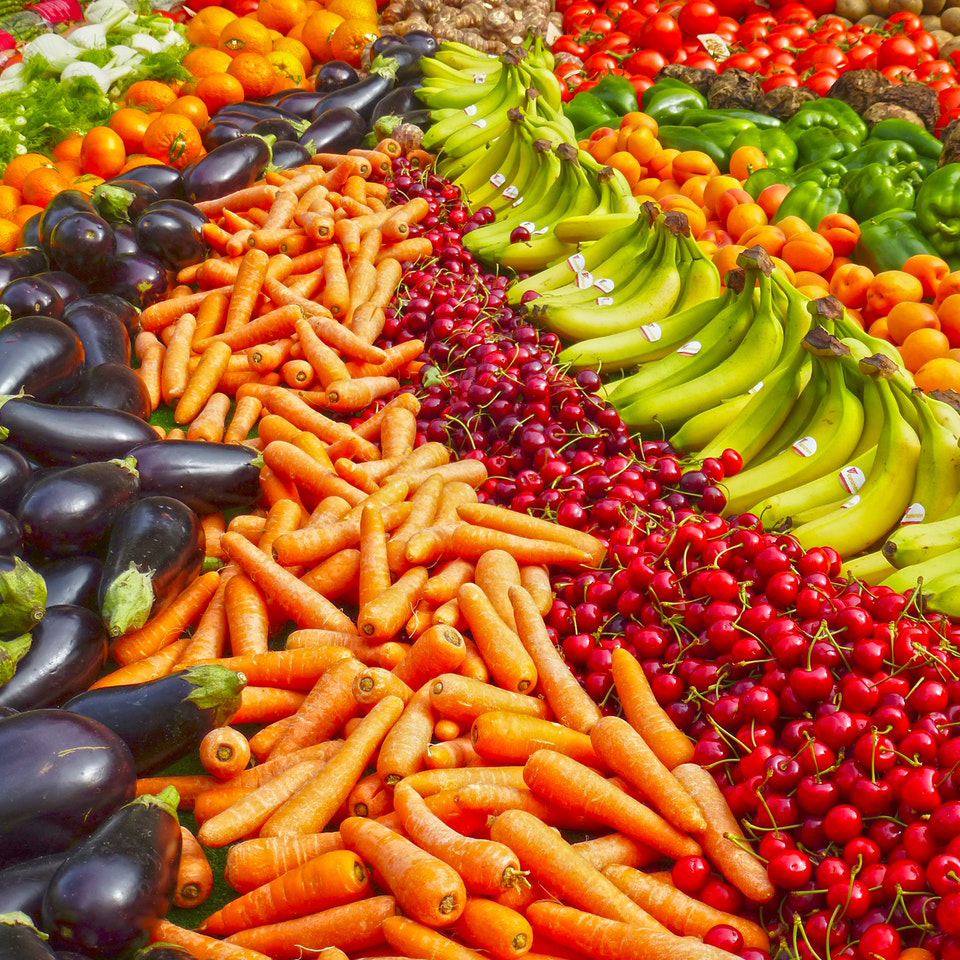
Produce
Avocados are the immediate produce watch item: 48-count Hass prices jumped 48% in one week to a 13-week high. A multiweek harvest stoppage and a holiday-shortened week in Mexico squeezed supply. The report expects the spike to be temporary, but a return to roughly $20 per carton is not assured before prices typically rise again in February. Potatoes also have not delivered their normal post-harvest decline, with the commentary pointing to a short crop, especially in larger sizes. Check portion costs on avocado-heavy dishes and large-potato applications.
Outlook: Avocado costs may ease after the disruption, while potato prices are expected to stay elevated into the first half of 2027.

Grains
Most grain markets slipped slightly last week, but soybean meal stood out with gains in nine of 11 trading sessions and a move above its 100-day moving average. Corn and soybeans did not join that rally. The report points to slower harvesting in Iowa and tighter meal availability in the western Corn Belt as the likely explanation, rather than a confirmed planting problem in Argentina. For restaurant buyers, this is primarily an upstream feed-cost signal—not evidence that all grain-based ingredients or proteins are about to rise.
Outlook: The meal rally could level out as local availability improves, with no broad grain rally established in this update.
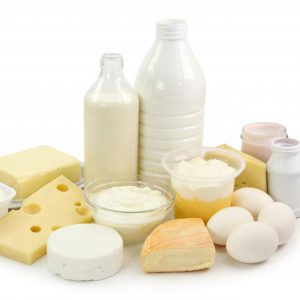
Dairy
Dairy is a mixed basket rather than a broad inflation story. Cheese blocks, barrels and nonfat dry milk declined last week, while butter and dry whey rose; whey’s weekly average reached a record. Butter was still 16% below a year ago, and cheese was roughly flat. October milk production increased 2.4%, supported by a 1.9% larger herd and 0.5% higher yields. More milk is helping contain costs, but tightening holiday cream supplies could affect butter and cream purchases before that broader supply benefit reaches every item.
Outlook: Keep an eye on near-term butter and cream increases, while stronger milk production should help limit broader cheese and butter upside.
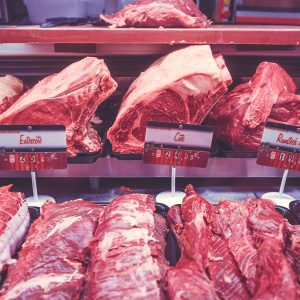
Beef
Beef remains a tough food-cost category, even with some weekly relief. Production edged up 0.2%, but it was still 6.7% below last year and down 4.9% year to date. Briskets, chucks and rounds weakened, while the rib primal reached a record high, making cut selection especially important for specials and menu planning. Feedlot placements fell 7% from a year ago to the lowest October level in records dating to 1996. Those supply constraints mean a softer quote on one cut does not signal broad beef relief.
Outlook: Expect uneven availability and continued price pressure, with better buying opportunities in selected cuts than across beef as a whole.
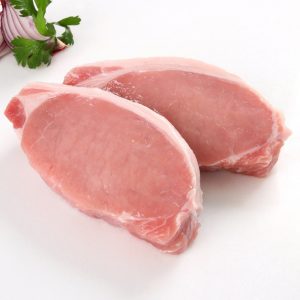
Pork
Pork offers a relative-value opportunity, but not every cut is moving the same way. Weekly production fell 4.3% and was 1.4% below a year earlier, yet cash hog prices tracked near six-year lows and all primals remained well below 2025 levels. Bellies, loins and hams declined, while picnics rose 6.3% and ribs gained 3%. USDA expects fourth-quarter supplies to be just 0.2% below last year. Weak demand is helping hold prices down despite tighter supply, creating a reason to review pork-based specials and substitutions.
Outlook: Pork should remain worth evaluating for menu value, although tighter winter hog supplies could bring selective price increases.
Poultry
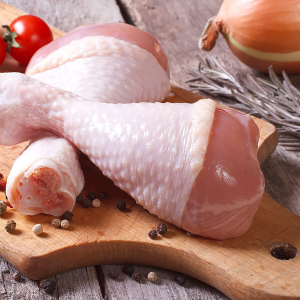
Chicken is not delivering the usual fall buying break. Young bird slaughter rose 0.4% last week but remained 2% below a year ago, helping keep some markets near late-September levels instead of seeing the roughly 30% seasonal declines described in the report. Breasts and wings moved higher, while tenders and thighs eased. USDA projects fourth-quarter 2026 output to fall 354 million pounds from the third quarter—more than twice the five-year average decline. For independent operators, compare breast and thigh costs rather than assuming thighs offer better value.
Outlook: Plan for firmer winter chicken costs and consider covering near-term needs before relying on a seasonal price break.

Seafood
Frozen snow crab import prices fell 6% in September to a seven-month low, offering a softer reference point for seafood purchasing. The report says pollock declined by the same percentage. Snow crab demand appeared to weaken alongside the end of the main 2026 import season, but last year’s September decline was followed by a sharp rally into November. This year’s stronger import season may temper a repeat. Treat the import data as a market indicator rather than a guaranteed delivered quote when reviewing crab specials and supplier offers.
Outlook: Snow crab prices may firm into year-end before easing toward March, so time purchases against actual quotes rather than September’s low alone.