
Alerts & What’s Trending
Produce
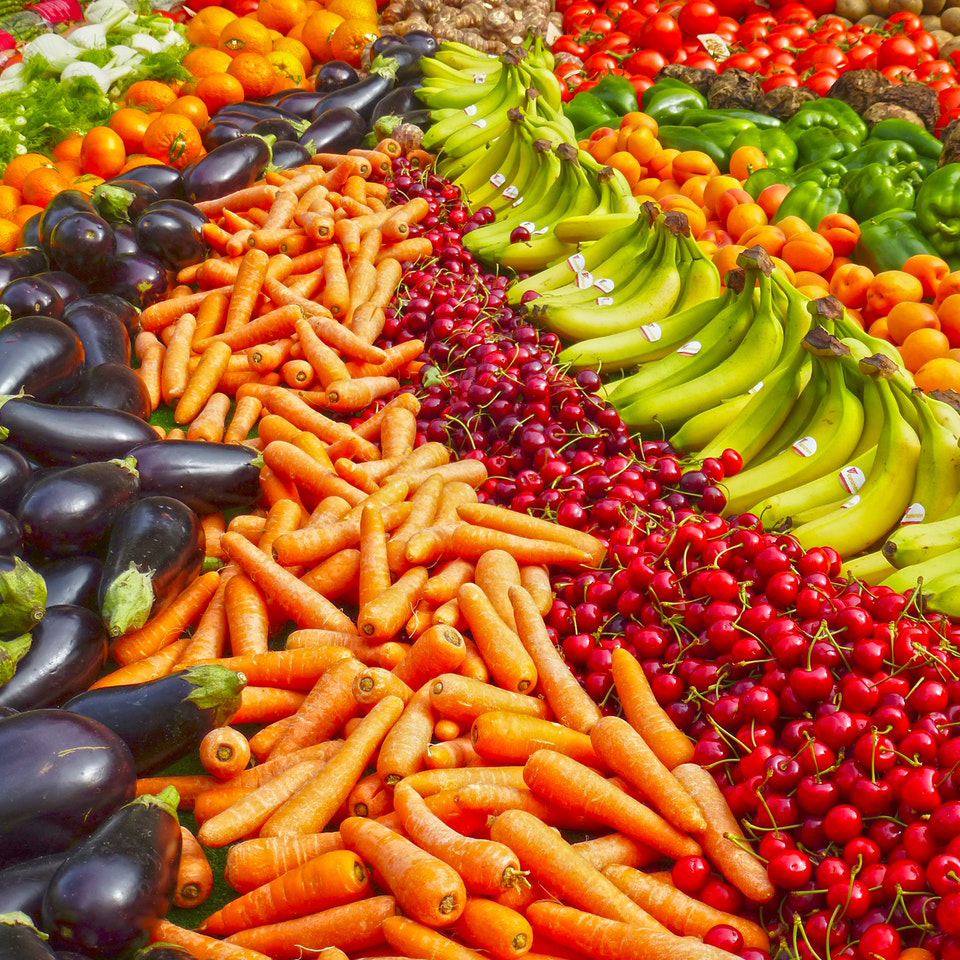
Produce cost management needs item-level attention: large Romas climbed 15% week over week and have more than doubled in six weeks, while 24-count iceberg dropped 22%. Those opposing moves can materially change the mix of produce spend across menus.
Outlook: Reassess tomato exposure as seasonal relief approaches, and track whether falling lettuce markets appear in distributor quotes.

Grains
USDA’s November update tightened the domestic soybean picture to a 6.5% stocks-to-use ratio after a smaller-than-expected yield increase. Global availability remains more comfortable, making this a monitoring point for grain-linked purchasing rather than an automatic signal to lock everything in.
Outlook: Use the source’s expected $12–$12.50 January soybean futures range as context when reviewing related supplier pricing.

Dairy
Dairy procurement remains uneven across products. CME cheese blocks average 15% below last year and 17% below the prior five-year average year to date, while dry whey set a weekly record; butter also moved lower as cream remained available.
Outlook: Projected first-quarter 2027 milk growth of 2.2% year over year could limit cheese upside, supporting a measured coverage strategy.
Beef
Current beef weakness creates a procurement review window, not a clear long-term downtrend. Choice cutouts reached an 11-month low, while domestic fresh 90% lean trim declined nearly 8% in four weeks; USDA nevertheless reduced forward production forecasts.
Outlook: Evaluate coverage against projected first-quarter 2027 output, which the source expects to be the lowest quarterly total since 2016.
Pork
Pork offers a timely opportunity to assess forward coverage across locations. The cutout fell 1.5% in the latest week and 13% over a month, while production increased 3.1% week over week and 1% year over year.
Outlook: With winter output projected roughly 1% below the prior year, today’s favorable levels warrant a longer-term contracting discussion.
Poultry
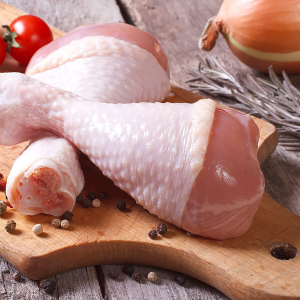
Poultry purchasing calls for a cut-specific approach: breasts and whole birds moved higher, thighs eased, and tenders held steady. Broiler slaughter was 3.3% below last year, although the six-week chick-placement average was up 1%, suggesting a developing supply improvement.
Outlook: Maintain visibility into contract exposure, as strong demand leaves chicken prices vulnerable to increases despite improving placements.

Seafood
Pollock’s September import-price decline of 6% only partially reversed August’s 14% surge. With import volumes still below normal seasonal levels, seafood buyers should distinguish a monthly correction from a sustained improvement in supply availability.
Outlook: Keep coverage flexible: the source favors sideways late-2026 pollock pricing, with a potential rebound before early-2027 easing.