

Alerts & What’s Trending
Produce
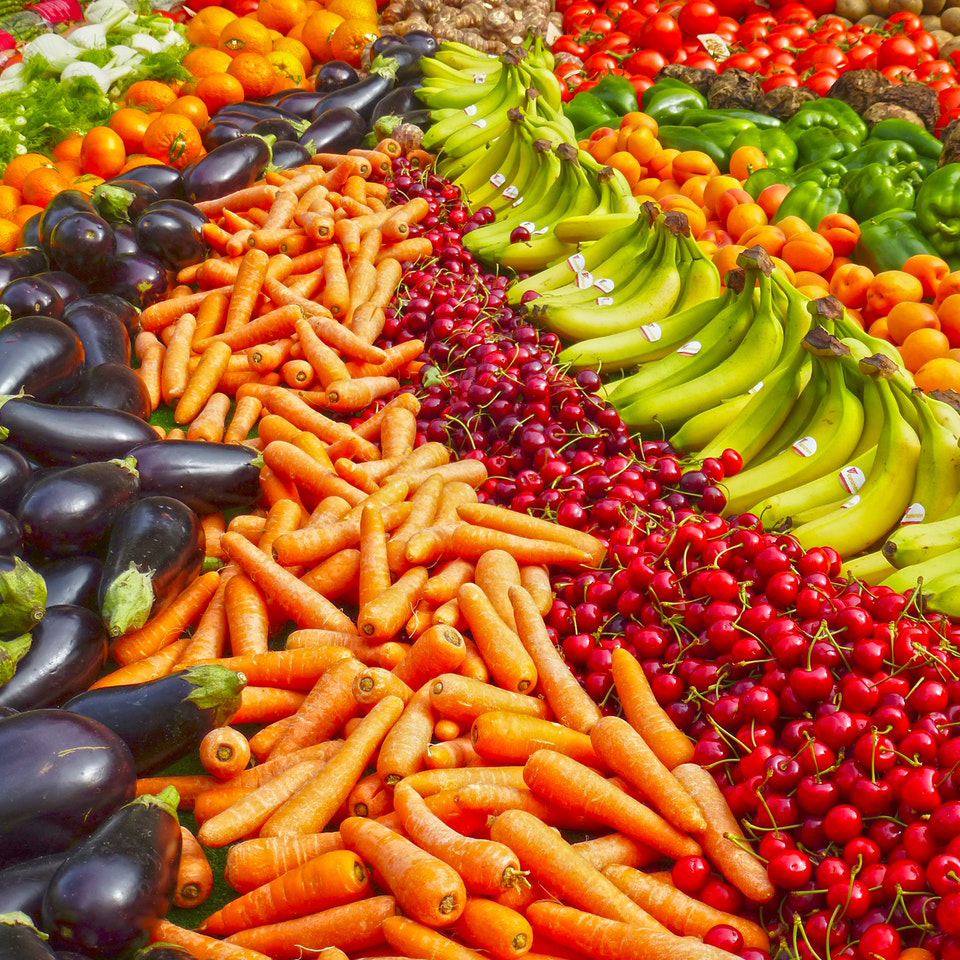
Large roma tomatoes in 25-pound packs surged more than 44% in two weeks, raising the stakes for restaurants serving sandwiches, salads and tomato-heavy dishes. Iceberg lettuce paused its rally, but Mexican avocado harvesting disruptions added another supply concern. Explore Dining Alliance produce market insights to plan purchasing conversations, seasonal specials and practical substitutions before a few everyday ingredients put more pressure on restaurant food costs.
Outlook: Tomatoes and iceberg lettuce retain near-term upside risk, while the unresolved Mexican harvest stoppage could quickly push avocado prices higher.

Grains
U.S. corn export sales for 2026/27 totaled 23.5 million metric tons, nearly 34% below the prior year versus USDA expectations for a 4% decline. That demand gap matters when assessing the direction of grain markets, even if restaurant invoice prices respond differently. Explore Dining Alliance commodity insights to understand the signals behind grain-related food costs before building assumptions into your next purchasing budget.
Outlook: December corn could stabilize above $4.40 briefly, but disappointing export sales could pull prices closer to $4.
Dairy
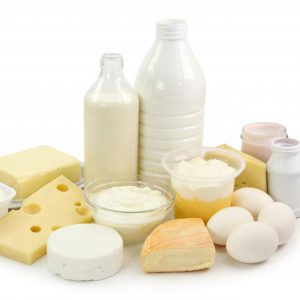
September U.S. milk production rose 2.6% year over year as farmers added a net 26,000 cows to the herd. Cheese blocks and butter declined during the reporting week, offering a different backdrop from the pressure in some protein and produce markets. Explore Dining Alliance dairy commodity insights to review purchasing assumptions for pizza, burgers and other cheese-heavy dishes without assuming every supplier price will fall immediately.
Outlook: Ample milk and cheese supplies favor near-term cheese weakness and may limit sustained butter price increases.
Beef
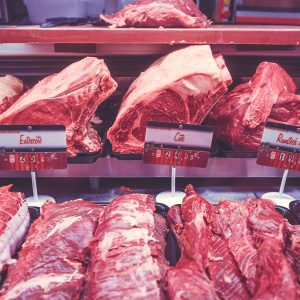
Beef purchasing calls for a cut-by-cut view: domestic 90s trim reached a 17-month low, while ribs strengthened as retailers stocked up for holiday demand. Weekly beef production was still 1.8% below the prior year, so softer trim prices do not mean supply concerns have disappeared. Explore Dining Alliance beef market insights before changing burger specials, steak pricing or purchasing plans based on a single market headline.
Outlook: Domestic trim may remain under near-term pressure, but declining production among major exporters could eventually support imported beef prices.
Pork
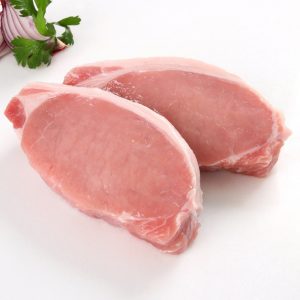
Pork bellies fell nearly 12% in the reporting week, while 42 and 72 trim dropped more than 20%. Those moves could make bacon and other pork-heavy menu items worth revisiting, although market declines do not automatically translate into distributor savings. Explore Dining Alliance commodity insights to understand whether historically inexpensive pork creates a useful opening for a longer-term buying conversation.
Outlook: Tighter winter supplies create rebound risk for pork prices, although weak consumption could limit the size of any recovery.
Poultry
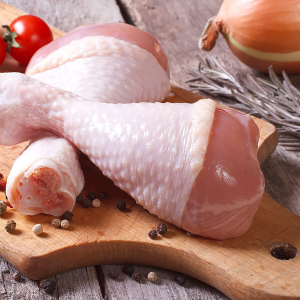
Chicken supply is tightening, but not every cut is getting more expensive. Young-bird slaughter fell 2.9% year over year, while October boneless skinless thighs averaged more than $0.50 per pound above breasts—a record monthly premium. For independent restaurants, that challenges the assumption that dark meat is always the budget-friendly choice. Explore Dining Alliance commodity insights to weigh chicken purchasing options against your menu mix and plate costs.
Outlook: Producer margin pressure could constrain supply into Q1, while breasts and tenders are expected to recover relative value in 2027.

Seafood
August frozen cod fillet import prices rose 3.8% month over month, compared with a 14% jump for pollock. After months of similar movements, the two whitefish markets diverged—a useful reminder that seafood value depends on species, not just the category. Explore Dining Alliance seafood insights before selecting your next fish special or comparing alternatives for a menu that needs to protect both appeal and plate margin.
Outlook: Improving cod import volumes could bring a near-term price correction, followed by a possible rebound in March of the following year.