
Alerts & What’s Trending
Produce
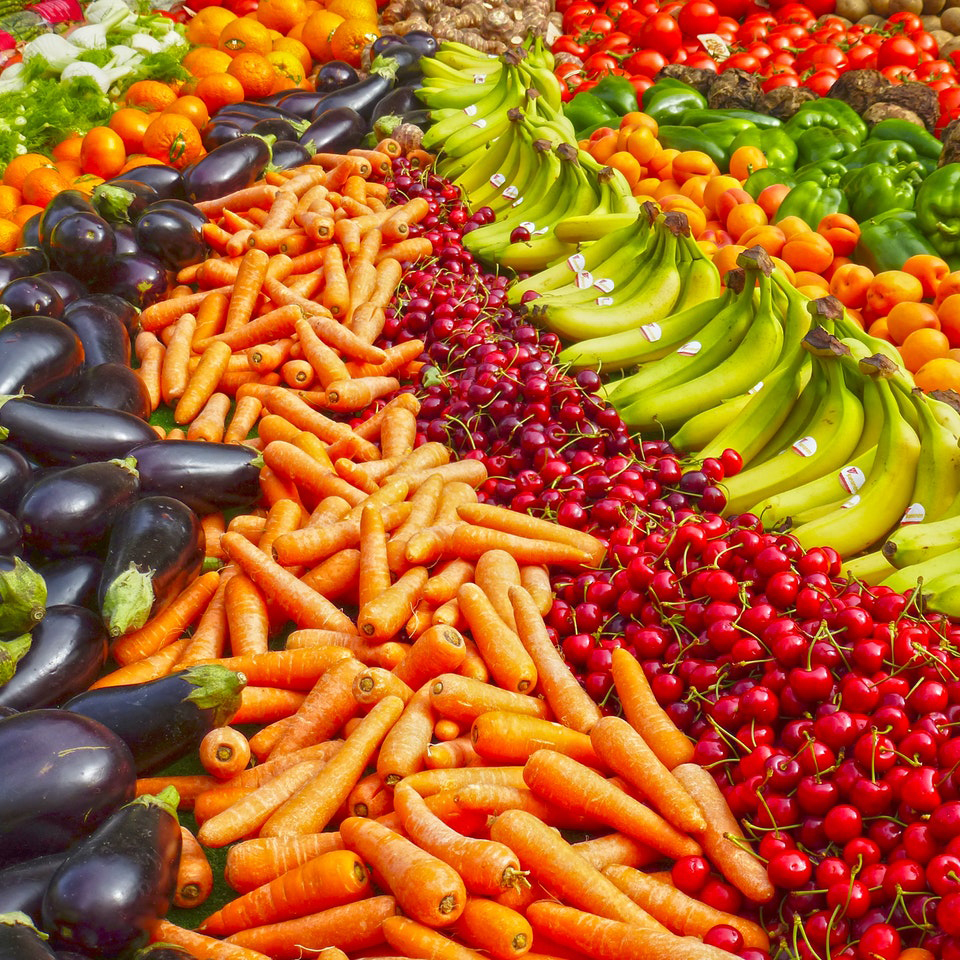
Produce was relatively steady last week, with no major disruptions across the top items being tracked. 48-count Hass avocados declined for a fifth straight week and are expected to stay under pressure through at least early October. 25 lb. large roma tomatoes and 24-count iceberg lettuce both continued to rise, though gains slowed considerably; from here into early November, both markets are expected to trend higher, but likely not back to the peaks seen earlier this year. Yellow and white onions may soften somewhat through November, while red onions are expected to stay fairly stable.
Outlook: Produce markets look manageable overall, with avocado relief continuing while tomatoes and lettuce are likely to grind higher seasonally.

Grains
Grain markets had another soft week, with Friday’s volatility shaping the final tone. Corn eased back after the USDA’s updated forecast came in close to expectations, including a modest yield cut and a reduction in harvested area. Most notably, the revised balance sheet pushed the U.S. corn stocks-to-use ratio below 10% for the first time in four years, signaling a still-tight supply backdrop if realized. Even so, the market may remain vulnerable after the strong August rally left limited technical support under current prices.
Outlook: Grain markets may stay volatile in the near term, but tight domestic and global supply fundamentals should help keep a floor under corn prices.

Dairy
Dairy markets were mixed, with CME cheese blocks, barrels, and butter all lower for the week, and butter moving closer to five-year lows. At the same time, whey and nonfat dry milk increased, with nonfat dry milk near three-month highs. Export demand has been a bright spot: in July, U.S. butter exports were up 2.4% year over year and set a monthly record, while U.S. cheese exports rose 25% from last year to an all-time high for the month. Even so, strong domestic production has kept U.S. cheese and butter prices relatively subdued.
Outlook: Dairy prices should remain mostly rangebound near term, with export strength offering support but ample domestic supply limiting upside.
Beef
Beef production tightened last week, falling 3.8% from the prior week and 10.8% below a year ago, largely due to the holiday-shortened schedule. The USDA’s Choice boxed beef cutout moved higher, while Select declined, and trim markets were mostly lower, with 50% beef trim at its least expensive level in 20 months. Long term, herd expansion remains difficult because pasture conditions are extremely poor; USDA pasture ratings are reportedly the worst for this date in more than 30 years. Continued cattle imports from Mexico could provide some supply relief in 2027 if they hold.
Outlook: Beef markets should remain fundamentally tight until pasture conditions improve meaningfully, though Mexican cattle imports could modestly ease supply pressure next year.
Pork
Pork production slipped 0.7% week over week and was 10.1% below last year, while 2026 year-to-date output is only 0.1% above 2025. Even with lighter production, the USDA pork cutout fell more than 3% on the week, driven mainly by an 18% drop in the belly primal. Overall, the pork cutout is now 19.9% below the same week last year, with bellies down 33% year over year. Pork trim remains especially attractive for foodservice, with a typical 70% pork blend near some of its lowest levels in more than two years.
Outlook: Pork pricing, especially for trim-based items, may weaken further into the fall, creating continued value opportunities for operators.
Poultry
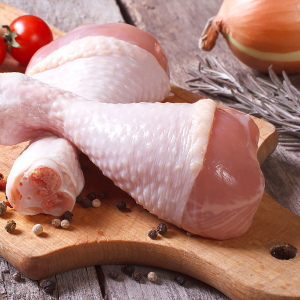
Chicken markets were mixed last week, but overall pricing remained favorable for buyers. For the week ending September 5, chicken output was up 1.8% from the prior week and is still running more than 2% above 2025 year to date, even as producers begin to slow supply growth. Breast meat, wings, leg quarters, and whole birds moved lower, while tenders were flat and thighs increased; notably, breasts, tenders, and wings are all at least 26% below year-ago levels. Feed costs are rising, however, and producer margins are said to be among the weakest seen in 28 months.
Outlook: Slower production growth could help support chicken prices later this fall and winter, but near term buyers are still benefiting from relatively attractive market levels.

Seafood
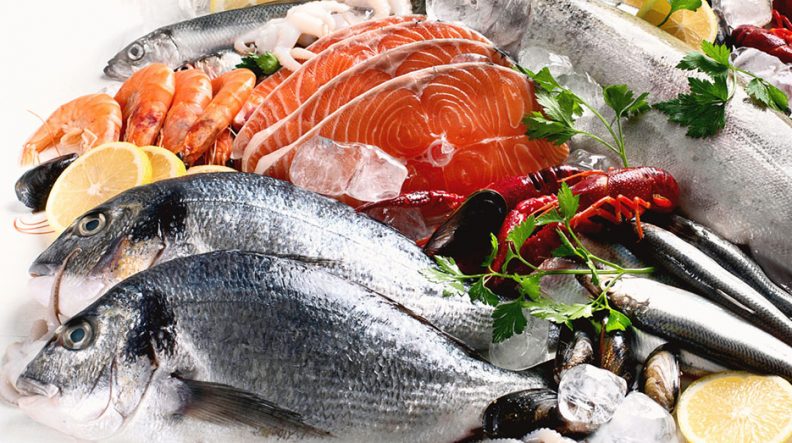
Among the major seafood items tracked, fresh yellowfin tuna was the standout mover in the latest July data, rising 11.3% month over month and sitting 16.2% above year-ago levels. After underperforming expectations from March through May, yellowfin recovered quickly in June and July, faster than anticipated. That sharp rebound now puts it in position to potentially set a new year-to-date high in the August data, though current market expectations suggest conditions may settle somewhat through the rest of 2026 before the usual seasonal run-up into the new year.
Outlook: Yellowfin tuna prices may stabilize in the short term, but seasonal upward pressure is still likely as the market moves toward year-end.