
Alerts & What’s Trending
Produce
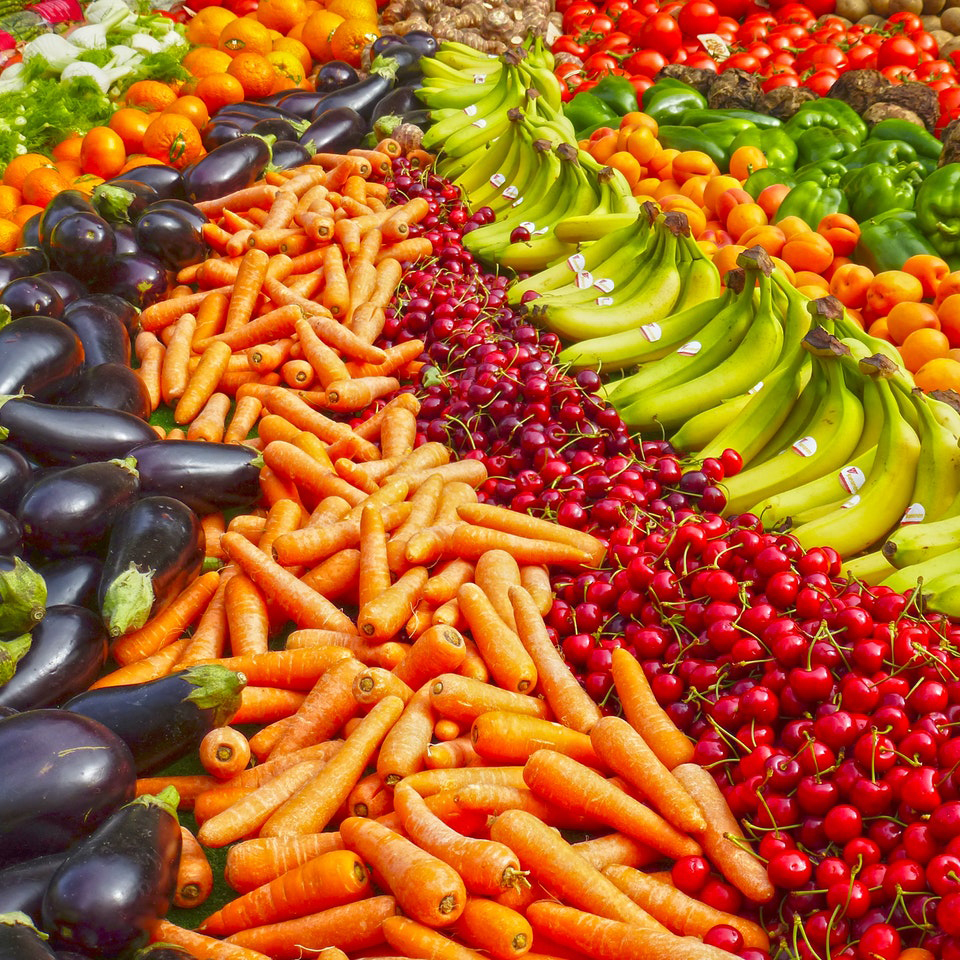
Produce markets were generally stable, with iceberg lettuce standing out. 24-count iceberg lettuce rose 11% week over week, ending a seven-week losing streak after prices had fallen nearly 82% over that stretch. Even with the recent uptick, there are no major supply concerns at the moment, and the market is still behaving within normal seasonal expectations.
Outlook: Lettuce prices may stay relatively contained near term, but this market bears watching as the usual late-year rally approaches in late September.

Grains
Grain markets finished the week stronger, led by row crops. Preliminary results from Pro Farmer’s crop tour came in below expectations in most areas, with six of seven states reporting corn yield estimates falling more year over year than USDA projected in its August report. The largest corn-producing states, Iowa and Illinois, posted especially notable misses, while soybeans also underperformed expectations in Illinois, Indiana, and Ohio.
Outlook: If crop tour findings prove closer to reality than current USDA forecasts, corn and soybean markets could have meaningful upside potential over the longer term.

Dairy
Dairy markets were mixed last week, with cheese blocks and butter lower, but broader fundamentals improving for milk powders. U.S. milk production in July was 2.2% above last year, driven by a 2.1% larger milk cow herd and a modest 0.1% increase in yield per cow. Nonfat dry milk rallied to nine-week highs, supported by stronger domestic and export demand, while New Zealand’s latest Global Dairy Trade event showed skim milk powder up 7.6% from the prior auction.
Outlook: Nonfat dry milk and related dairy markets could see further support if export demand holds and global skim milk powder prices continue rising.
Beef
Beef supply remains tight and prices remain historically elevated. Beef output last week improved 1.1% from the prior week, but was still 4.5% below the same week a year ago, largely due to a nearly 6% drop in cattle slaughter. July cattle placements into feedlots were down a sharp 11% versus 2025, reinforcing ongoing supply constraints, while retail beef prices in July were 9.4% above last year; sirloin steak was up 7.7%, and ground beef was up 10.1% year over year and 77% above January 2020 levels.
Outlook: Tight cattle supplies should continue to support elevated beef pricing, even if policy headlines or futures volatility create short-term swings.
Pork
Pork production remains mostly flat, while pricing is showing seasonal weakness. Output last week rose 1.1% week over week but was 0.6% below the same week last year, leaving year-to-date production only 0.4% above 2025. The USDA pork cutout fell nearly 3% last week, with bellies down 4.6% and trading 15.4% below last year, while hams and picnics are each more than 20% under year-ago levels. USDA also trimmed its 2026 per-capita pork consumption estimate to 49.5 pounds.
Outlook: Pork prices are likely to remain under pressure into the fall as seasonal demand softens and production growth stays modest.
Poultry
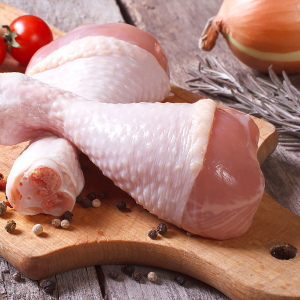
Chicken supply remains above last year, but growth is slowing. Young chicken slaughter rose 0.7% week over week and was 0.3% above the same week last year, while output for the week ending August 15 was 1.1% higher year over year. Year-to-date weekly chicken production is still running 2.4% above 2025, although recent chick placement and broiler egg set data suggest production may ease closer to 1% above year-ago levels through late summer. On the pricing side, wings, tenders, whole birds, and leg quarters moved lower last week, while boneless skinless breasts and thighs posted gains.
Outlook: Chicken markets may stay pressured in the near term from still-ample supply, but upside price risk builds later in the year as production growth continues to moderate.

Seafood
Seafood pricing was relatively calmer overall, but tilapia remained volatile. Frozen tilapia filets rose 6.5% month over month in the June data, marking the eighth straight monthly move greater than 6% in either direction. After falling to an all-time low in May, prices rebounded as import volumes declined counter-seasonally, though the move may be temporary given the approach of tilapia’s typically quieter seasonal period.
Outlook: Tilapia prices may struggle to sustain the recent rebound, with a more complete recovery likely delayed until 2027.