

Alerts & What’s Trending
Produce
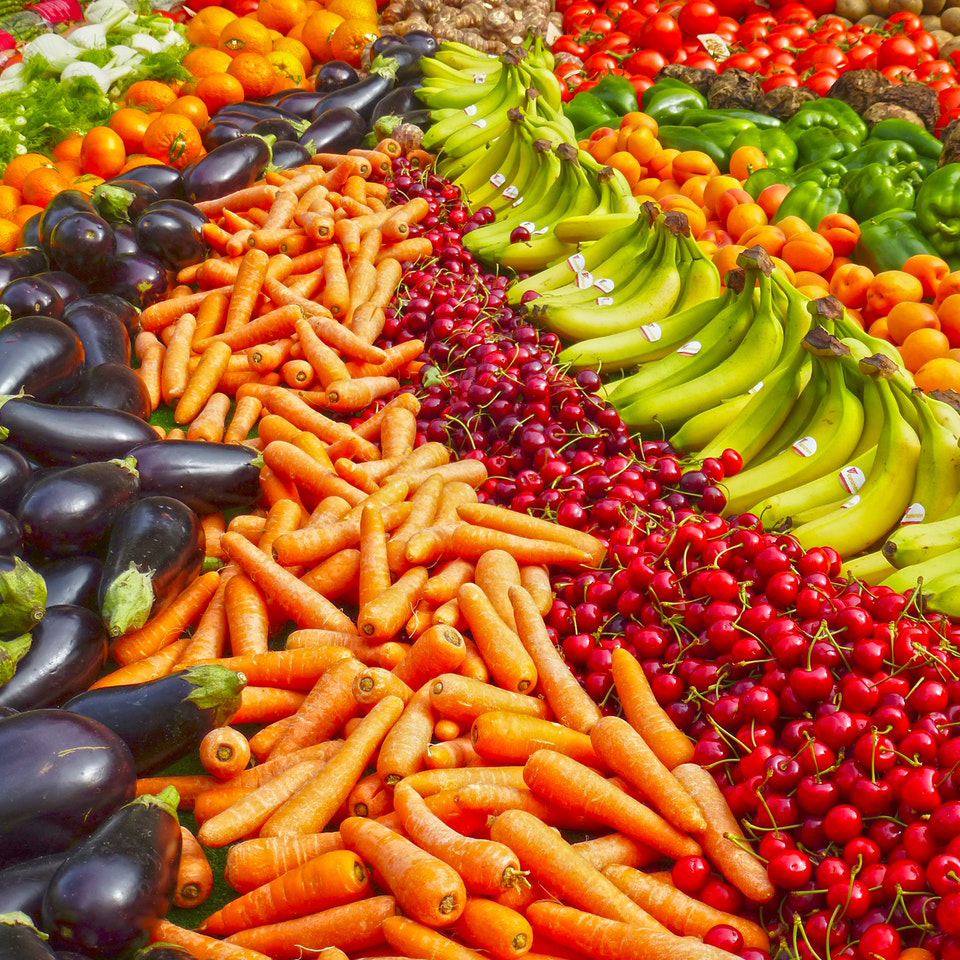
Lettuce remains a major pressure point as western growing problems continue, and large Roma tomatoes jumped 20.6% in the reporting week. Potatoes also edged higher, although new-crop storage supplies should eventually bring some relief.
Outlook: Lettuce and tomato costs are likely to stay elevated near term, so review portions, substitutions and supplier quotes.

Grains
Grain markets weakened, led by wheat, while soybean oil held relatively steady. Reports of possible Black Sea shipping negotiations raised the prospect of more wheat reaching global buyers, adding pressure to an already soft market.
Outlook: Wheat could face further downside if trade flows improve, but do not assume flour or bakery invoices will immediately follow futures.

Dairy
Cheese and butter moved higher, with cheese blocks reaching a one-year weekly-average high. Milk production is expanding, but competition for milk is limiting cheesemaking supplies; strong demand is also keeping whey expensive.
Outlook: Cheese has room to soften as milk supplies grow, but whey-related ingredient costs are likely to remain elevated.
Beef
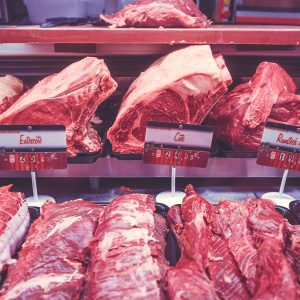
Beef production fell 4.2% from a year earlier, and feedlot placements were unusually low. Ribs moved higher while briskets and flanks softened, giving independent restaurants different cost pressures depending on the cuts they buy.
Outlook: Tight cattle supplies and poor pasture conditions could keep beef expensive, making cut-by-cut menu costing especially important.
Pork
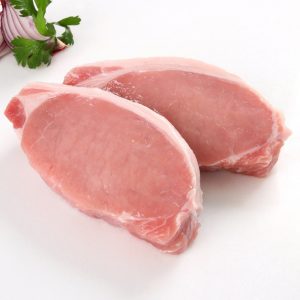
Pork is offering some welcome cost relief: production increased, every major primal declined at least 2%, and hams reached their lowest price since January 2022. Weak demand is outweighing the limited availability of hogs.
Outlook: Soft demand should keep pressure on pork prices, creating opportunities to test specials while checking delivered costs with suppliers.
Poultry
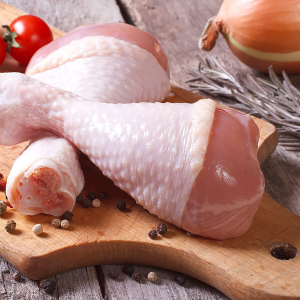
Chicken supply is tightening, but prices are not moving together: breasts and leg quarters eased while other cuts rose. Thighs are carrying an unusually steep premium to boneless, skinless breasts, while a larger laying flock points to better egg availability.
Outlook: Chicken costs could rise this winter, so compare cuts carefully rather than assuming dark meat offers the best value.
Seafood
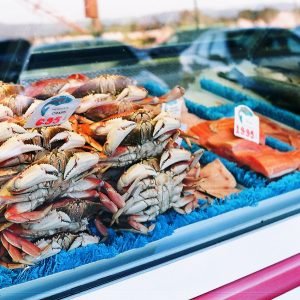
Frozen tilapia fillet import prices fell 5% month over month despite below-normal import volumes. Weak U.S. demand appears to be keeping prices down, offering a potential value option for fish sandwiches, bowls and other flexible menu items.
Outlook: Tilapia may stay relatively affordable near term, although the source expects some recovery by year-end ahead of stronger first-quarter demand.