

Alerts & What’s Trending
Produce
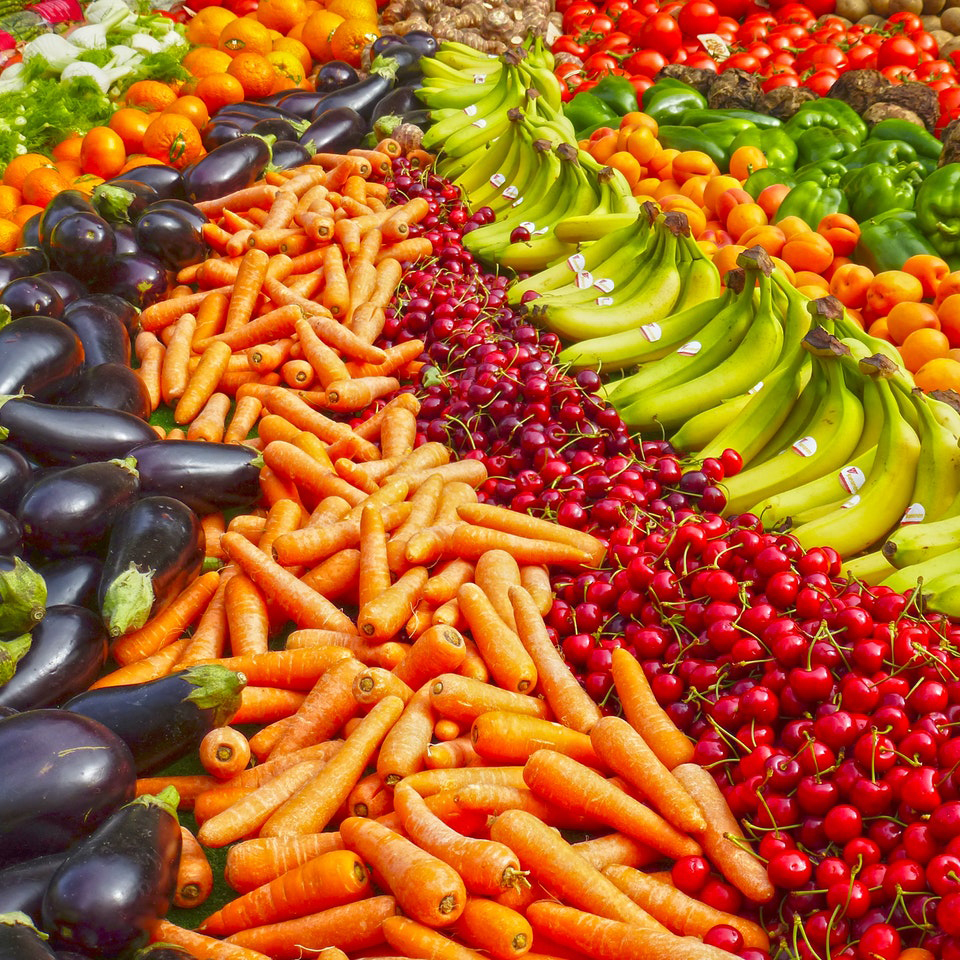
Produce markets were fairly quiet overall, but iceberg lettuce remains the biggest mover. The 24-count iceberg average jumped 34.2% week over week to a 12-week high, signaling what looks like an earlier-than-usual seasonal rally. Tomatoes are also showing upside potential even though they were flat last week, with 25 lb. large romas potentially climbing to $30 per carton by the end of November. Avocados stabilized after a long decline, with 48-count Hass posting a slight weekly increase and now sitting back in the $20–$30 per carton range.
Outlook: Expect lettuce and tomato markets to trend higher into mid- to late fall, while avocados should remain comparatively stable.

Grains
Grain markets were fairly quiet outside of soybean meal, which has led recent gains in the soybean complex. December corn has been trading in the $5.20 to $5.40 range after the September crop report, and the new forecast puts the 2026/27 U.S. stocks-to-use ratio below 10%, a historically tight level. Even so, some early weakness is emerging in both export and domestic demand, which could trigger a short-term pullback despite the relatively snug global balance sheet. Longer term, the market still appears fundamentally supported.
Outlook: Corn may correct lower in the short run, but fundamentals suggest it should hold around $5.00 over the longer term.

Dairy
Dairy markets were mostly higher last week, though cheese blocks were the exception, dropping to their lowest level in more than nine months. Nonfat dry milk moved the other way, climbing to its highest level since late May, while butter remains supported by strong domestic and export demand. Milk production in August was strong, up 1.7% from last year and a record for the month, with the milk cow herd also 1.7% larger year over year and the largest in more than 30 years. Even so, milk per cow was flat versus 2025, suggesting productivity growth may be slowing as feed costs rise.
Outlook: Dairy supplies remain ample, but stronger butter and powder demand, combined with limited downside in cheese, should keep the complex mostly steady to firm.
Beef
Beef production tightened sharply last week, falling 8.4% from the previous week and 12.5% below last year, as cattle slaughter slowed following operational disruptions in Kansas. Boxed beef values were mixed, but both USDA Choice and Select cutouts moved higher and are now roughly in line with year-ago levels. On the supply side, the September 1 cattle-on-feed inventory was 0.8% above last year, but August placements were down 9.2%, marking the smallest August placement figure in at least three decades. Imports from Mexico have resumed, and volumes could recover to 40% of normal by the end of October, offering some relief.
Outlook: Beef availability may improve modestly later in the quarter, but supplies are still expected to remain tighter than last year, keeping markets relatively supported.
Pork
Pork production improved 3% week over week and was 0.1% above last year, though year-to-date output is still 0.1% below the prior year. Pricing was weaker overall, with the USDA pork cutout falling to its lowest level in more than two years. Picnics, ribs, loins, and butts all declined, while bellies and hams were firmer; notably, bellies are on track for their lowest September average in seven years. The latest Hogs and Pigs Report confirmed tighter supply fundamentals, with the total herd down 1.5% year over year, the breeding herd also down 1.5%, and summer sow farrowings down 2.7%.
Outlook: While pork pricing has softened near term, reduced herd size and limited fall production should help prevent a major further slide.
Poultry
Chicken markets were mostly steady last week, but supply trends are worth watching. Young bird slaughter improved 2.5% week over week, though it remained 1% below last year, and chicken production for the week ending September 19 was 6% lower year over year. Even with recent slowing, year-to-date chicken output is still running 1.6% above 2025. The standout mover was boneless skinless thighs, up more than 3%, while breasts, tenders, and wings held relatively firm. Producer margins remain pressured by low chicken prices and rising feed costs, which appears to be slowing output growth.
Outlook: Seasonal softening is still possible, but tighter production trends should help keep downside limited, especially for breasts, tenders, and wings.

Seafood
Seafood pricing was mostly steady, but frozen cod filet posted a notable correction in the latest data, falling 5.3% month over month in July and ending a four-month winning streak. Even with that pullback, cod had still surged nearly 52% over those four months, reaching record highs along the way. Supply remains the main issue, as import volumes have been running below normal since last September. While the recent decline may reflect some demand resistance in the U.S. market, pricing is still elevated versus normal seasonal levels.
Outlook: Cod prices may ease a bit further near term, but constrained import supply should keep seafood costs elevated into early 2027.