
Alerts & What’s Trending
Produce
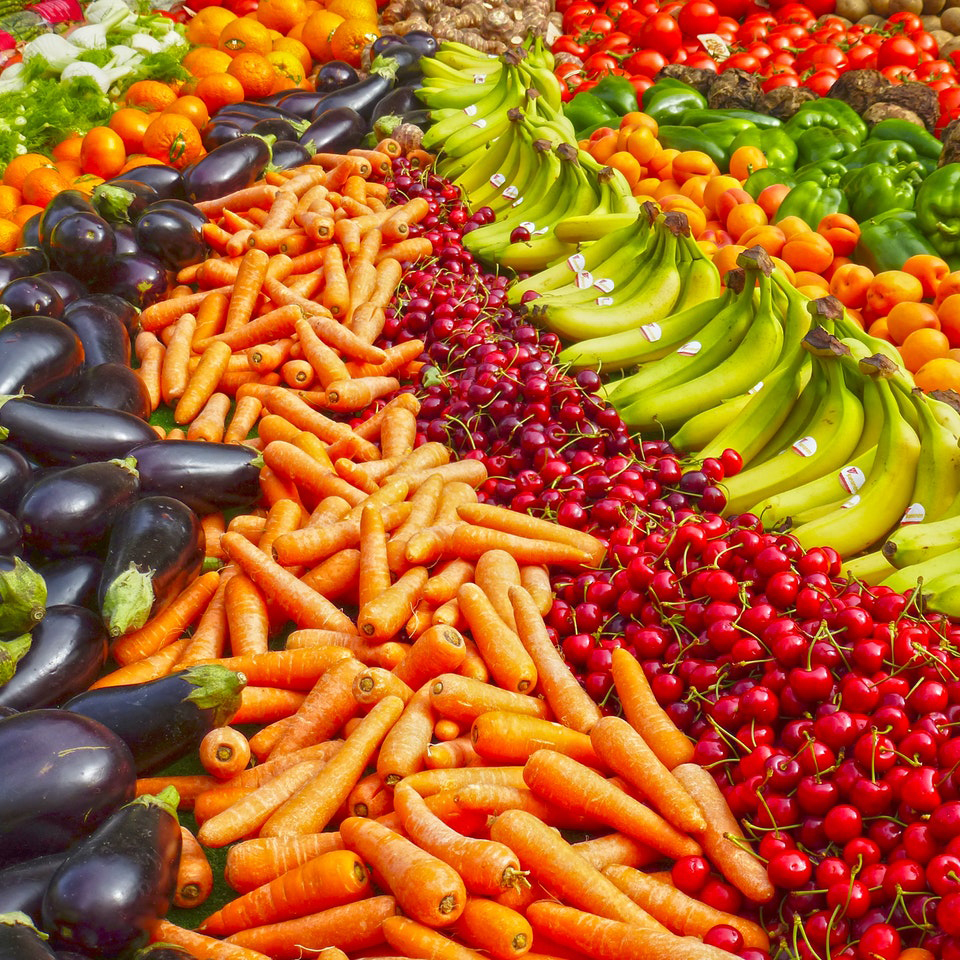
Produce was generally steady, with a few items worth watching. 48-count Hass avocados continued to decline and are approaching their current year-to-date low, with likely support near $20 per carton. 24-count iceberg lettuce edged higher again and may be entering its seasonal late-year rally earlier than usual, leaving room for more upside into November. 25-lb. large Roma tomatoes are also expected to trend higher seasonally, though likely only toward $30 in November, well below the $40+ levels seen this spring.
Outlook: Produce should remain relatively calm overall, with the best upside risk centered on lettuce and Roma tomatoes as fall progresses.

Grains
Grain markets were fairly quiet outside of soybean meal, which has led recent gains in the soybean complex. December corn has been trading in the $5.20 to $5.40 range after the September crop report, and the new forecast puts the 2026/27 U.S. stocks-to-use ratio below 10%, a historically tight level. Even so, some early weakness is emerging in both export and domestic demand, which could trigger a short-term pullback despite the relatively snug global balance sheet. Longer term, the market still appears fundamentally supported.
Outlook: Corn may correct lower in the short run, but fundamentals suggest it should hold around $5.00 over the longer term.
Dairy
Dairy markets were active but mostly softer last week: cheese blocks, barrels, and butter moved lower, while nonfat dry milk and dry whey held steady. Cream supplies remain adequate, which is helping keep butter production strong, and U.S. butter is trading at a discount to global prices, which may support exports. Cheese production is also adequate, although prices have found some support at current levels. One growing concern is producer profitability, as rising feed costs are squeezing dairy farmer margins and could eventually reduce the milk cow herd if conditions persist.
Outlook: Dairy prices may remain mostly rangebound for now, but tighter farm margins could lead to more meaningful supply-side support later this fall or winter.
Beef
Beef production stayed below last year, with output down 4.5% last week due to a 5.4% drop in cattle slaughter. August feedlot placements were down 9% from 2025 and were the smallest for the month in 30 years, reinforcing the idea of tighter long-term cattle supplies. At the same time, beef trim markets dropped sharply, with 50s, 65s, 85s, and 95s all trading at their lowest levels in well over a year. USDA now estimates 2026 beef production at 24.9 billion pounds (the document says million, but industry context strongly suggests billion), which would be 4.3% below last year and the smallest since 2016. Still, Q4 beef supplies are expected to rise by 295 million pounds from Q3, which could pressure pricing seasonally.
Outlook: Beef should remain structurally tight longer term, but the expected Q4 production bump may create some near-term pricing relief.
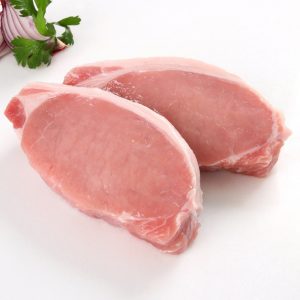
Pork
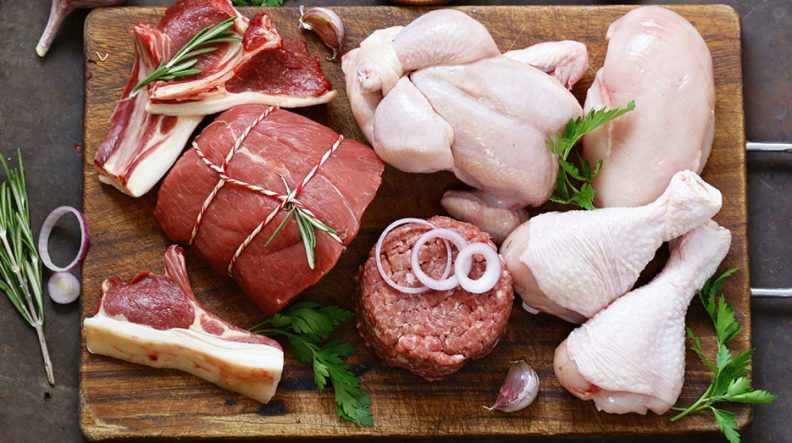
Pork production was down 4.8% last week, driven by a 3.9% decline in hog slaughter, and year-to-date production is running 0.1% below 2025. Despite that tighter output, prices softened, with the USDA pork cutout falling to its lowest level since February 2024. Pork bellies were the biggest drag, plunging 25% in one week and sitting 46% below last year, now at their lowest level in nearly three years. Weak consumption remains the main issue, though the upcoming USDA Hog and Pigs report is expected to show a smaller herd and breeding base, which could eventually tighten supply further.
Outlook: Pork markets may stay pressured near term by weak demand, but a smaller hog herd could set the stage for firmer pricing into 2027.
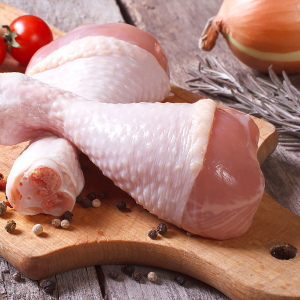
Poultry
Chicken supplies remain tight as producers continue to hold back output. Young bird slaughter was 4% below last year last week, and while year-to-date chicken production is still up 1.7%, recent hatchery data suggests only modest growth ahead, with broiler egg sets up 0.4% and chick placements up 0.5% versus last year. That slower production is already supporting the market, especially for dark meat items like leg quarters and thighs. On the demand side, chicken continues to benefit from strong consumer appeal: U.S. per-capita consumption is estimated at 106.8 lbs, up 3.8% from 2025 and a record high.
Outlook: Chicken prices should stay supported in the near term as supply growth underperforms expectations while demand remains strong.

Seafood
Frozen tilapia filet was one of the biggest movers in the latest seafood import data, with average prices up 6.7% month over month in July after a similar increase in June. That rebound comes after prices hit a new all-time low in May, and recent strength has been helped by import volumes running below typical seasonal levels. Even so, tilapia usually trades more quietly in the second half of the year, so the current pace of increases may not last much longer. Real-time pricing is likely flattening out now, with a more meaningful rally not expected until next spring.
Outlook: Tilapia prices likely level off through early 2027, with the next stronger upside move more likely around March.