

Alerts & What’s Trending
Produce
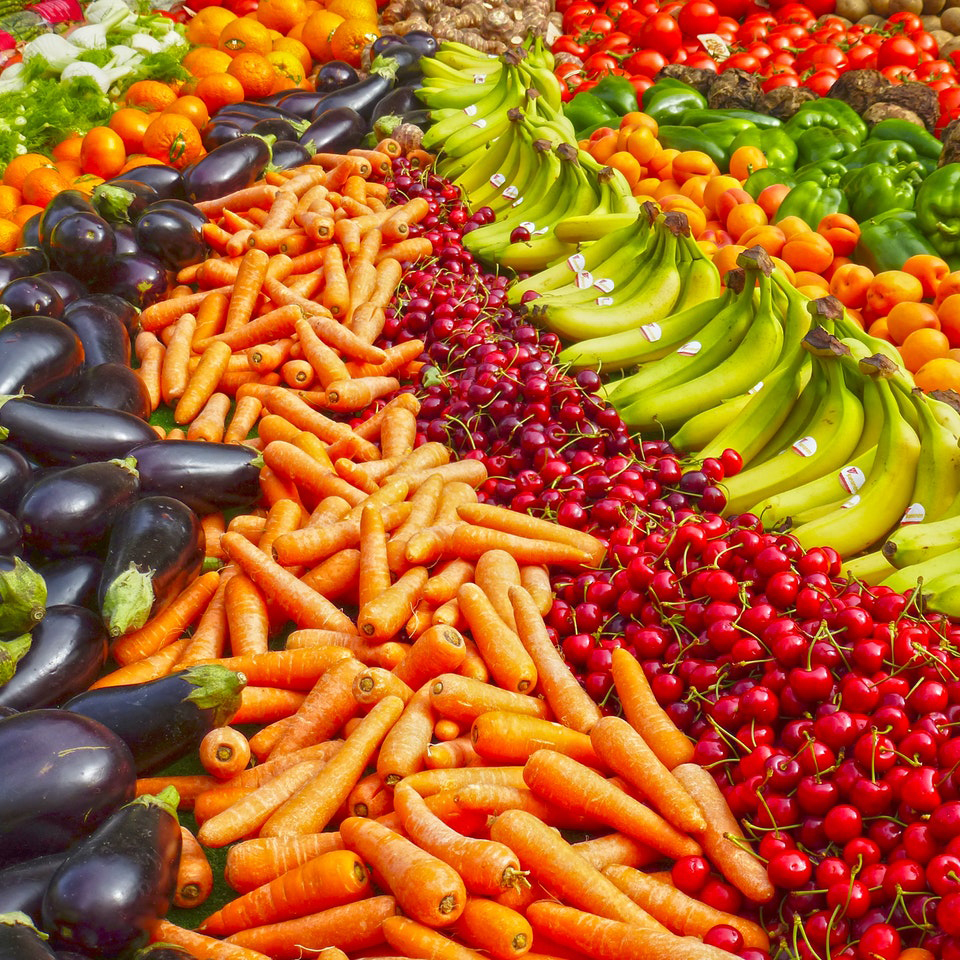
Produce activity returned to more typical late-summer patterns as 48-count Hass avocado prices fell 15% week-over-week following the fading impact of Mexico’s USDA inspection suspensions. Potatoes appear to have ended their pre-harvest rally at levels similar to last year, while 24-count iceberg lettuce and 25 lb. large Roma tomatoes saw modest bumps that reflect short-term bargain buying rather than a sustained trend.
Outlook: Produce markets should remain relatively rangebound and stable through the fall, with major leafy green or tomato rallies unlikely before mid-September at the earliest.

Grains
Grains closed the marketing year on a strong note, with wheat and corn surging 5% to 10% in a single week, while soybean oil climbed back above its 100-day moving average. Wheat’s aggressive rally is heavily tied to fading hopes for a resolution to Black Sea supply disruptions, pushing U.S. wheat export sales to nearly 800,000 metric tons over the past two weeks.
Outlook: Grain markets will likely remain volatile and elevated in the near term as geopolitical tensions and export bottlenecks persist in the Black Sea region.

Dairy
CME spot dairy trade was light at just 16 loads, with most categories moving higher except cheese blocks, while nonfat dry milk climbed to 11-week highs on strong domestic and export demand. July milk output rose 2.2% year-over-year, powered by a 2.1% larger national dairy herd and favorable weather. However, rising feed costs and declining cattle values are beginning to pinch producer margins.
Outlook: Cheese and butter prices should remain attractive and balanced for buyers in the short term until tightening dairy farm margins eventually trigger herd reductions.
Beef
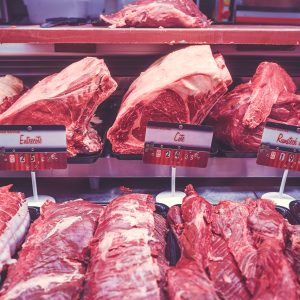
Beef production rose 3.7% week-over-week but remained 3.1% below last year due to a 4.4% drop in cattle slaughter, leaving year-to-date output down 7.9% compared to 2025. Nearby cattle futures hit 14-month lows, pulling boxed beef cutouts and trim down with them. Meanwhile, July feedlot placements dropped 11% to a multi-decade monthly low, confirming that larger August 1 on-feed inventories (+1.8% year-over-year) are driven by cattle staying on feed longer to reach heavier weights rather than herd growth.
Outlook: Relatively tight cattle availability will persist this fall, though certain cuts like trim and ground beef could see continued near-term price softening.
Pork
Pork output edged up 0.2% week-over-week and was 0.5% above year-ago levels, with year-to-date output running 0.4% ahead of 2025 entirely due to heavier hog weights. The USDA pork cutout fell to its fourth-lowest weekly level in seven months, led by declines in hams, picnics, loins, and bellies. Rib inventories remain historically tight—with July 31 holdings down 2.4% year-over-year and at their second-smallest level for the month in 12 years—though historical seasonal patterns point to price relief ahead.
Outlook: Seasonal production increases and subdued consumer demand will likely keep broad pork markets under pressure, with rib prices eventually softening this fall despite current tightness.
Poultry
Chicken production softened last week, dipping 0.5% to 0.6% week-over-week and sitting nearly 2% below year-ago levels for the week ending August 22. Markets traded broadly weaker, led by a nearly 5% drop in wing prices, while turkey breast fell to 17-month lows and table eggs held flat. However, preliminary August broiler layer inventories rose 1.5% year-over-year—marking the second-largest seasonal build since 2017—suggesting earlier output slowdowns are temporary.
Outlook: Expanding breeder flock inventories and rebounding production should keep chicken prices relatively contained with limited upside potential in the near term.

Seafood
Fresh yellowfin tuna climbed 5.3% month-over-month in June after sharper losses in the prior two months. U.S. import volumes have corrected after running above normal in April and May and are projected to trend lower through November, prompting modest incremental price gains through the summer.
Outlook: Yellowfin tuna prices may inch slightly higher into early fall as import volumes taper, but the back half of the year should be much quieter and less volatile than the first.