
Alerts & What’s Trending
Produce
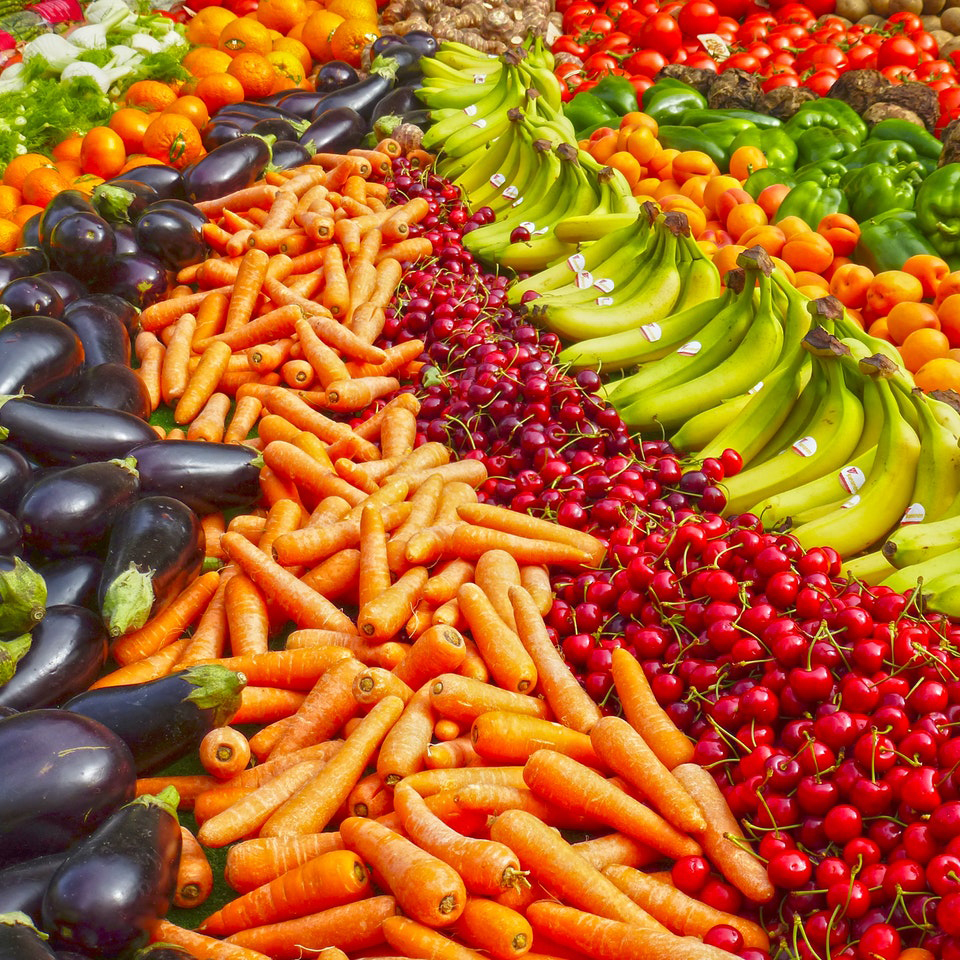
Produce markets stayed relatively calm last week, with most of the “big five” showing little movement, but avocados are the item operators should keep an eye on. Prices for 48-count Hass avocados were essentially flat week over week, though the USDA’s suspension of avocado inspections in Michoacán, Mexico could still create an August price bump if the issue is not resolved quickly. Potatoes continue to climb and are on pace to challenge 2025 highs as soon as this week, although that pre-harvest rally has been largely expected. Meanwhile, lettuce and tomatoes remained flat and, for now, appear stable through the rest of the month.
Outlook: Produce should stay relatively steady overall, but avocados and potatoes carry the most upside risk in the near term.

Grains
Grain markets were mostly quiet last week, aside from corn’s sharp rally following the August WASDE and Crop Production reports, while wheat continues to build a more underappreciated risk story. Wheat prices briefly softened on reports that Ukraine proposed a halt to attacks on commercial shipping in the Black Sea and Sea of Azov, but Russia rejected the proposal, leaving export uncertainty firmly in place. That matters because August is a critical period for regional wheat exports, and ongoing disruptions are beginning to raise concerns not just for current trade flows but also for the upcoming 2026/27 planting season. Reports that some farmers may lack the income needed to prepare for planting suggest the conflict could evolve from a short-term supply issue into a longer-term production concern.
Outlook: Wheat still appears to have upside risk as long as Black Sea shipping remains disrupted, while corn volatility could continue following the latest USDA data.

Dairy
Dairy trading was relatively light to end the week, but export demand continues to be one of the category’s biggest supports. For the week, cheese blocks, barrels, and nonfat dry milk averaged higher, while butter and dry whey softened. U.S. milk production remains seasonally light, but available cream and sufficient butter inventories are continuing to weigh on butter prices. Cheese demand remains healthy, aided by strong retail feature activity, and June cheese exports jumped 24% from a year ago to a new record. That export strength was helped by attractive U.S. pricing, as the June CME cheese block average was the second-lowest for that month in more than a decade. Still, unless international markets recover more meaningfully, the market may struggle to sustain a major domestic cheese rally.
Outlook: Dairy should remain mostly rangebound, with export strength supporting cheese but excess cream and comfortable butter stocks capping upside.
Beef
Beef production posted a modest weekly increase, but the bigger story continues to be tighter year-to-date supply and growing pressure from high retail prices. Last week’s production rose 1.3% and was only 1.4% below the same week last year, but year-to-date output is still down 5.5% because cattle slaughter has fallen 8%. Boxed beef moved higher on the week, with the USDA Choice cutout up 1.8% and Select up 0.6%, led by gains in briskets, loins, and Choice ribs, though overall cutout values are still running करीब 5% below year-ago levels. Demand signals are worth watching: USDA lowered its 2026 per-capita beef consumption estimate to 58.9 pounds per person, or 0.5% below last year, suggesting consumers are pushing back on record-high retail beef prices. Trade data also remains a major factor, with June beef exports down 10% year over year while imports surged 24%, setting a monthly import record.
Outlook: Beef prices may stay supported by reduced cattle supplies, but softer consumer demand and heavy imports should limit how aggressively the market can move higher.
Pork
Pork fundamentals remain mixed, with production slightly ahead of last year overall but demand still lacking the energy needed to lift the market. Last week’s pork output rose 2.2% from the prior week, although it was down 1.5% from the same week last year; year-to-date production is up 0.4%, helped by 1.1% heavier carcass weights. Even with summer production expected to run 2% below 2025 levels, the market has struggled to rally, as the USDA pork cutout moved lower last week on weakness in ribs and hams. Loins and bellies were the only primals higher, with bellies approaching their most expensive levels in a year. Demand remains a concern: USDA reduced its 2026 domestic pork consumption estimate, and per-capita pork consumption is expected to be near a 10-year low. Export business has also been underwhelming, down 4% in June year over year, though ham shipments to Mexico are a bright spot, up 1% year to date and at a record high.
Outlook: Pork pricing is likely to remain under pressure into fall, especially in hams, unless export demand improves meaningfully.
Poultry
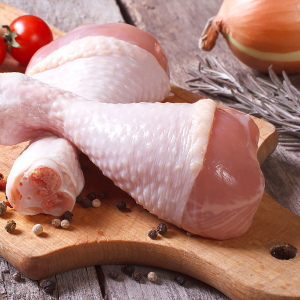
Chicken supply remains available, but some pricing pressure is showing up across the category. Last week’s chicken slaughter was roughly in line with the prior week and about 2% above last year, while production for the week ending August 8 was up 1% versus the previous week but down 1.2% year over year because bird weights fell 1.7%. Year-to-date output is still running 2.4% ahead of last year, supported by improved bird availability, and both broiler egg sets and chick placements remain about 1% above 2025 levels. On the market side, pricing was generally soft, with breast meat, tenders, and wings all lower, while whole birds and leg quarters held up better. One notable trend continues to be the strength of dark meat, with boneless skinless thighs reaching a record premium over boneless skinless breasts in July as export demand and domestic consumption continue to support that side of the bird.
Outlook: Expect poultry markets to stay mostly manageable near term, but dark meat values should remain firm while white meat has room to regain some momentum later this year.

Seafood
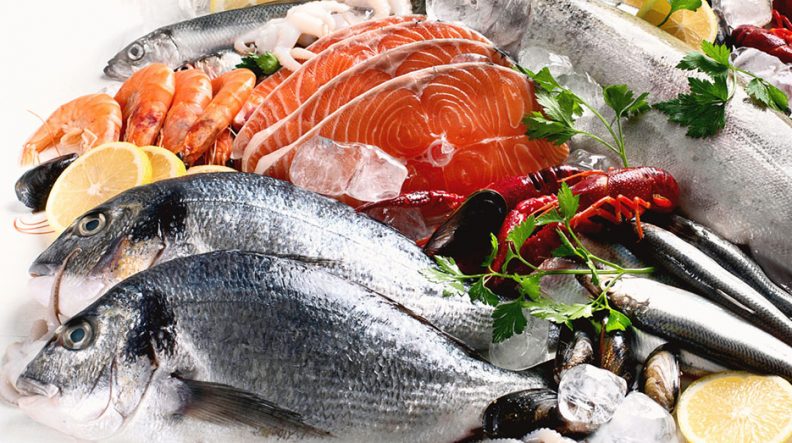
Seafood import pricing was quieter in June, but cod continues to stand out as one of the strongest inflation stories in the category. None of the six key seafood items tracked moved more than 7% month over month, but frozen cod fillet still climbed another 5% in June, extending a four-month rally that has now pushed average prices up nearly 52% over that stretch. Each of those months has set a new all-time high in data going back to 2013. Import volumes improved for a second consecutive month, though they remain a bit below normal seasonal levels. The good news for operators is that volumes are expected to keep improving through the end of 2026, which could help cap the current rally and potentially bring some relief later in the year.
Outlook: Cod prices may stay elevated in the short term, but improving import volumes should start limiting upside and could lead to softer pricing later this year.