

Alerts & What’s Trending
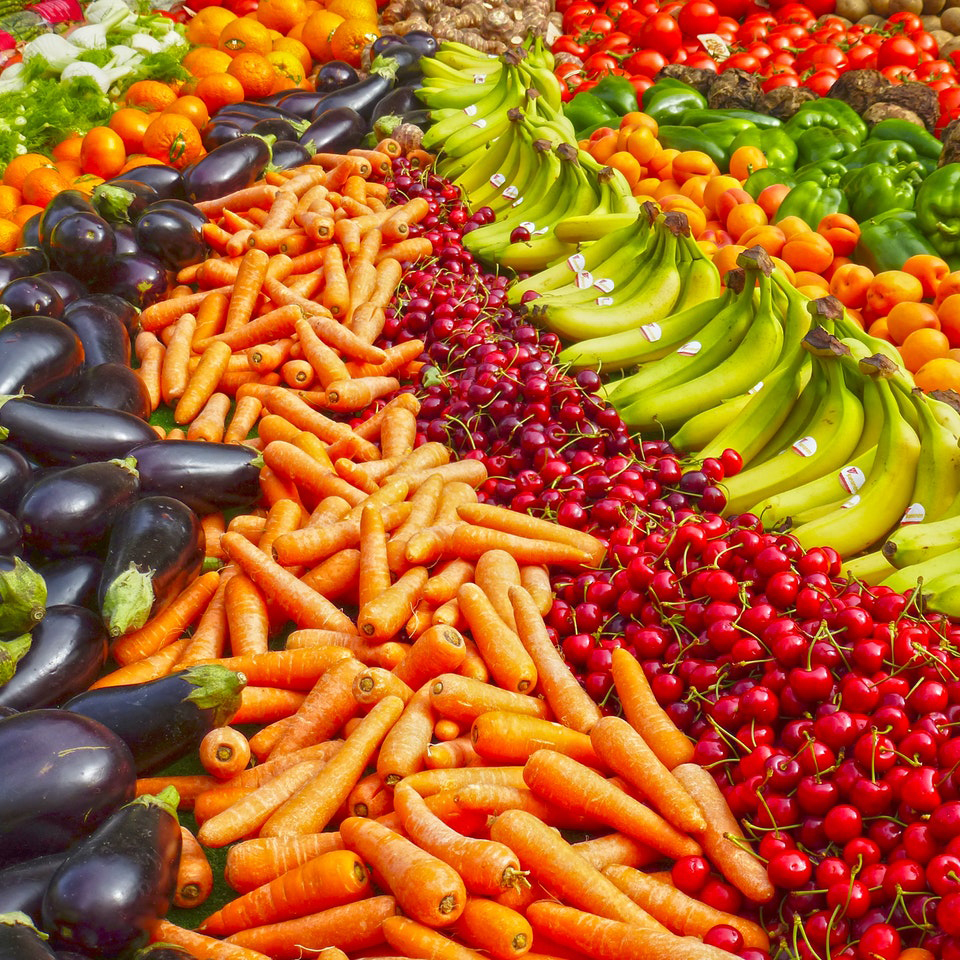
Produce
48-count Hass avocados climbed another 12.6% last week—their third consecutive week of gains—fitting typical August seasonal patterns. Meanwhile, 24-count iceberg lettuce fell 8.3% week-over-week, extending a five-week decline, though price drops are slowing and expected to hold above the $10 mark before fall transitions begin.
Outlook: Avocado prices should cap around $60/carton before entering a September downtrend, while iceberg lettuce will offer temporary cost stability before typical September/October market volatility sets in.

Grains
Grain markets pulled back across the board, giving up a solid portion of July’s gains. Wheat posted modest pullbacks despite ongoing Black Sea shipping disruptions. With Russia and Ukraine entering their peak August export window under active maritime shipping risks, wheat prices remain vulnerable to sudden market surges if export supply flows are restricted.
Outlook: Expect heightened price volatility and upside risk for grains through late summer if Black Sea shipping conflicts continue to hamper global export channels.

Dairy
Spot dairy trading saw widespread price drops last week, with cheese blocks falling nearly a dime per pound to their lowest weekly average since mid-January. Butter led the overall decline, tracking 42% below 2025 levels, though limited cream supplies available for butter churning may halt further deep losses. Total supply remains strong, supported by the largest June milk cow herd in over 30 years and a 2.8% increase in replacement heifers.
Outlook: Dairy prices remain operator-friendly for now, but tight cream availability and robust export demand for cheese should keep prices from dropping much further.
Beef
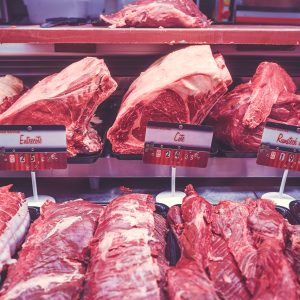
Weekly beef production dropped 3% from the prior week (down 2.5% year-over-year), bringing YTD output down 5.7% due to an 8.2% drop in slaughter. Despite lower overall volume, Choice boxed beef cutouts fell to their lowest level in nearly eight months, with major primal cuts like loins and rounds trading below 2025 levels. Looking ahead, the USDA herd report shows beef cow inventories down 0.7% and the calf crop down 1.6%, though a 2.7% increase in replacement heifers suggests long-term herd rebuilding is on the horizon.
Outlook: While seasonal boxed beef dips offer brief purchasing relief, overall tight supplies will keep underlying beef costs elevated for the foreseeable future.
Pork
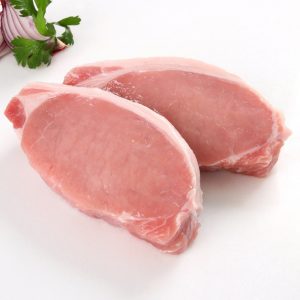
Pork output edged up 0.7% week-over-week, with YTD output running 0.6% ahead of 2025—driven entirely by heavier hog weights rather than slaughter counts. The USDA cutout dropped 1.7%, pulled down by a 9%+ plunge in ham pricing, while pork bellies hit a four-month high. However, end-of-June belly inventories sat 18.4% higher year-over-year following the largest YTD inventory build in over a decade, signaling that the current seasonal belly price spike is nearing its peak.
Outlook: Expect limited additional price upside for pork bellies as massive frozen inventories begin capping market gains through late summer.
Poultry
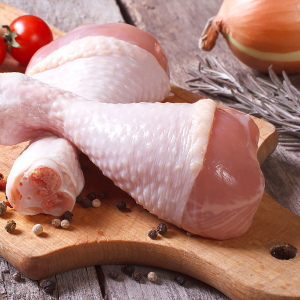
Chicken markets were generally soft last week, led by a 6%+ single-week drop in leg quarters, though bone-in thighs gained and table egg prices climbed to their highest level since March. Overall production ran 3.1% above 2025 levels for the week of July 25th, but producer margins are under heavy pressure—Pilgrim’s Pride reported its lowest Q2 operating margin since early 2023. In response, chick placement data (+1% y/y) indicates producers are tapping the brakes on flock growth relative to YTD slaughter (+2.8%).
Outlook: Downside price risks across chicken cuts are likely minimal moving forward as producers slow production growth to defend squeezed operating margins.

Seafood
Import seafood data stabilized overall in May, with frozen tilapia fillets as the primary outlier. Tilapia prices dropped 17.5% month-over-month following a 15% surge in April (which hit a six-year seasonal low of $1.59/lb). While tilapia typically hits calendar-year highs in March/April, May’s dramatic price drop creates potential for unusual trend shifts later in the year.
Outlook: Operators sourcing tilapia should prepare for potential mild, counter-seasonal price firming over the second half of the year following May’s heavy price drop.