Insights / Commodities Report

Charcuterie board with meats and cheese

Commodities Report

Alerts & What’s Trending   Produce Adverse weather conditions and seasonal decline in Mexico, Guatemala, and the U.S. are still impacting various growing regions and commodities. As a result, it is anticipated that these challenges will lead to extended periods of elevated market prices and potential shortages in supply. The Salinas Valley, as well as most of California, is heading for a heat wave, and while the early harvesting has caused some issues with supply, the heat wave may also be a factor in future supply issues. Despite this, the quality of most items has improved, and the supply situation is better. However, we need to closely monitor all commodities as temperatures are expected to exceed 100 degrees in certain areas.   Grain While soybean oil moved lower last week, the sideways trading trend continues. The USDA released its acreage report and corn won some acres over soybeans. Soybeans are

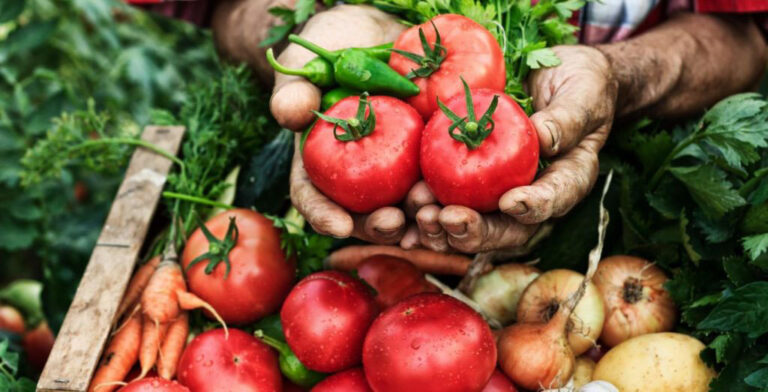
Vegetables

Commodities Report

Alerts & What’s Trending   Produce The seasonal decline, adverse weather conditions, and the ongoing lack of USDA inspectors have continued to affect multiple growing areas and commodities. Consequently, these difficulties are expected to result in prolonged higher market prices and potential supply shortages. The Salinas Valley is experiencing a continuation of warmer weather. Although early harvesting led to some supply issues, there has been gradual improvement. Most items are showing good quality, and there has been an improvement in the supply of liner and romaine. Prices are still high, but there is hope for relief in the near future.   Grain The soybean oil market continues trading flat. Next week we expect the USDA acreage report. There are some concerns for upper Midwest growing regions as they are very wet. Canada, too, has some very wet weather causing some concerns, which have not yet made its way into pricing

Meat poultry

Commodities Report

Alerts & What’s Trending   Produce The volatile markets across various commodities have been attributed to weather-related problems such as excessive heat and rainfall and a shortage of USDA inspectors, specifically affecting the avocado industry. As a result, it is anticipated that these challenges will lead to higher market prices and potential gaps in supply. The temperature in the Salinas Valley is rising, and the early harvest is still causing supply problems, but there has been a gradual improvement. Although the warmer weather is beneficial, it will take time to recover fully. Consequently, we can expect volatile markets for most commodities.   Grain Soybean oil traded within a very tight range and was flat for the week. Palm oil supply and demand is balanced, and Canola followed palm and soy. From actual activity, the markets were very busy. Planting for soybean and Canola is really moving nicely with good weather.

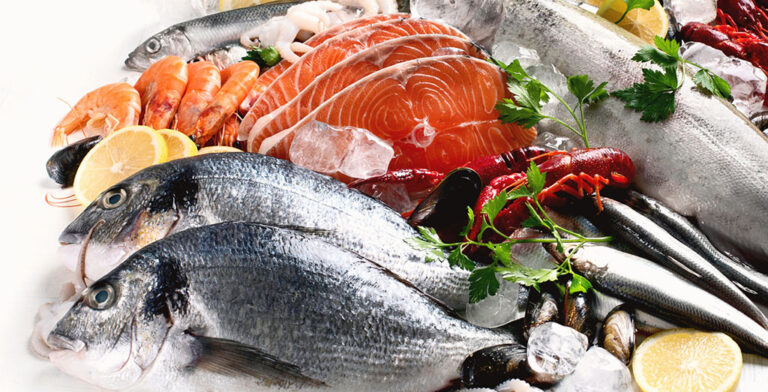
Fresh fish and seafood platter

Commodities Report

Alerts & What’s Trending   Produce Weather conditions are once again causing disruptions on both the east and west coasts, leading to a slowdown in the progress we had observed in recent weeks. As a result, markets are experiencing an increase in prices due to lower yields. The Salinas Valley’s weather conditions are still hindering acreage productivity. To keep up with demand, the industry is harvesting early, leading to a limited supply of crops. Below-average ground temperatures stunt crop growth, resulting in high commodity market prices. Regrettably, this unfavorable weather pattern is forecasted to persist into June.   Grain The whole soybean complex was lower. The lower markets are pointing to lower soybean oil in the future. Crush margins are falling again for crushers, which, if sustained, could lead to higher basis levels. Planting is doing very well. It is wet in some areas, but overall planting for beans is

Charcuterie board with meats and cheese

Commodities Report

Alerts & What’s Trending   Produce Weather conditions in the eastern region have started to show signs of improvement, while the delayed rainy season in Mexico and ongoing drought conditions may lead to unpredictable crop cycles through the 2024-25 season. Nevertheless, we are still witnessing the persistent consequences that have affected different commodities, leading to reduced yields and consequently causing an increase in market prices. Production in South Georgia is increasing for various items, although squash will remain scarce due to weather-related challenges. Over the next ten days, we anticipate tight markets in the region and the West Coast on chile peppers, including tomatillos, shishitos, and serranos, will continue to be in short supply and volatile for the next few weeks.   Grains Soybean oil futures moved higher last week. With good planting progress, good weather, ample South American supply, and large fund selling, the move seemed more like keeping

Vegetables

Commodities Report

Alerts & What’s Trending   Produce Weather patterns in Florida, Mexico, Georgia, and California have significantly impacted various crops, resulting in lower yields and ultimately driving up market prices. In general, supplies from the Salinas Valley continue to be limited. Consequently, we are still witnessing active markets. The Salinas Valley’s weather conditions are still hindering productivity. The industry is harvesting crops early to meet the demand, resulting in limited supply. The below-average ground temperatures impede crop growth, leading to extreme market conditions for most commodities. Unfortunately, this unfavorable weather pattern is expected to persist into June.   Grains Large fund buying, soybean oil stocks drawdown, and wet weather in the US growing region, aided in the futures market for soybean oil moving higher. Canola moved higher with the possibility of a rail strike and wet weather there, too. Palm was slightly lower with good production. Exports, though, are looking to

Meat poultry

Commodities Report

Alerts & What’s Trending   Produce Adverse weather conditions in Florida, Mexico, and California have had a notable effect on different produce, leading to reduced harvests and ultimately causing an increase in market prices. The recent rainfall during March has impacted the supply levels, leading to high market activity. Despite expanding into new acreage that is not fully operational yet, we anticipate ongoing supply shortages in the weeks ahead. Additionally, the Salinas Valley is still facing below-average temperatures. Reaching into these fields will likely cause supply issues towards the end of the season. We will continue to see some increases in mildew and anthracnose, which will continue to hold back yields and weights.   Grains Soybean oil moved about 2% higher last week. Crude, diesel, and soybean oil were all higher. The short speculator position is still present, but funds were the big buyers last week. Palm oil was flat

Fresh fish and seafood platter

Commodities Report

Alerts & What’s Trending   Produce Adverse weather conditions in Florida, Mexico, and California have had a notable effect on different produce, leading to reduced harvests and ultimately causing an increase in market prices. The recent rainfall during March has impacted the supply levels, leading to high market activity. Despite expanding into new acreage that is not fully operational yet, we anticipate ongoing supply shortages in the weeks ahead. Additionally, the Salinas Valley is still facing below-average temperatures. Reaching into these fields will likely cause supply issues towards the end of the season. We will continue to see some increases in mildew and anthracnose, which will continue to hold back yields and weights.   Grains Soybean oil futures were turbulent last week, but they finished slightly over 1% higher. Pressure from palm oil helped bring the market higher, while potential taxes on used cooking oil could increase demand for soybean

Charcuterie board with meats and cheese

Commodities Report

Alerts & What’s Trending   Produce Adverse weather conditions in different growing areas such as Florida, Mexico, and California have significantly impacted various commodities, resulting in lower yields and ultimately driving up market prices. Additionally, some markets saw a slight increase due to the increased demand from Mother’s Day.   Grains Selling of soybean oil futures, good South American harvest, shrinking biofuel demand, good soybean oil stocks, and good U.S. planting progress all helped push soybean oil lower last week which dragged palm oil down and Canola, too.   Dairy Shell egg markets are all down and demand has softened. The Block & Barrel are increasing and steady. Milk availability has tightened. Butter is up. Domestic butter demand is steady from retail and food service sectors. However, for unsalted butter loads, demand is stronger. Cream volumes are comfortable across the nation.   Beef Continued over production by packers has stifled

Vegetables

Commodities Report

Alerts & What’s Trending   Produce Unfavorable weather conditions across various growing regions, including Florida, Mexico, and California. These adverse conditions have significantly impacted several commodities, leading to reduced yields and subsequently causing an increase in market prices. All wet veg items will be shipped from the Salinas Valley as supplies are increasing for most commodities and the quality continues to improve. However, romaine and iceberg supplies remain slightly below budget due to cooler temperatures and quality issues such as anthracnose and mildew. Additionally, we are seeing lighter weights and head sizes.   Grains Soybean oil had a minor increase last week. The harvest in South America is almost over, but there are reports that Argentinean strikes are delaying exports. The US’s wet weather has hindered planting, but it’s not a serious problem. Soybean oil prices are down. Concerns about output are tight for Palm. Soybean oil is leading the