

Alerts & What’s Trending
Produce
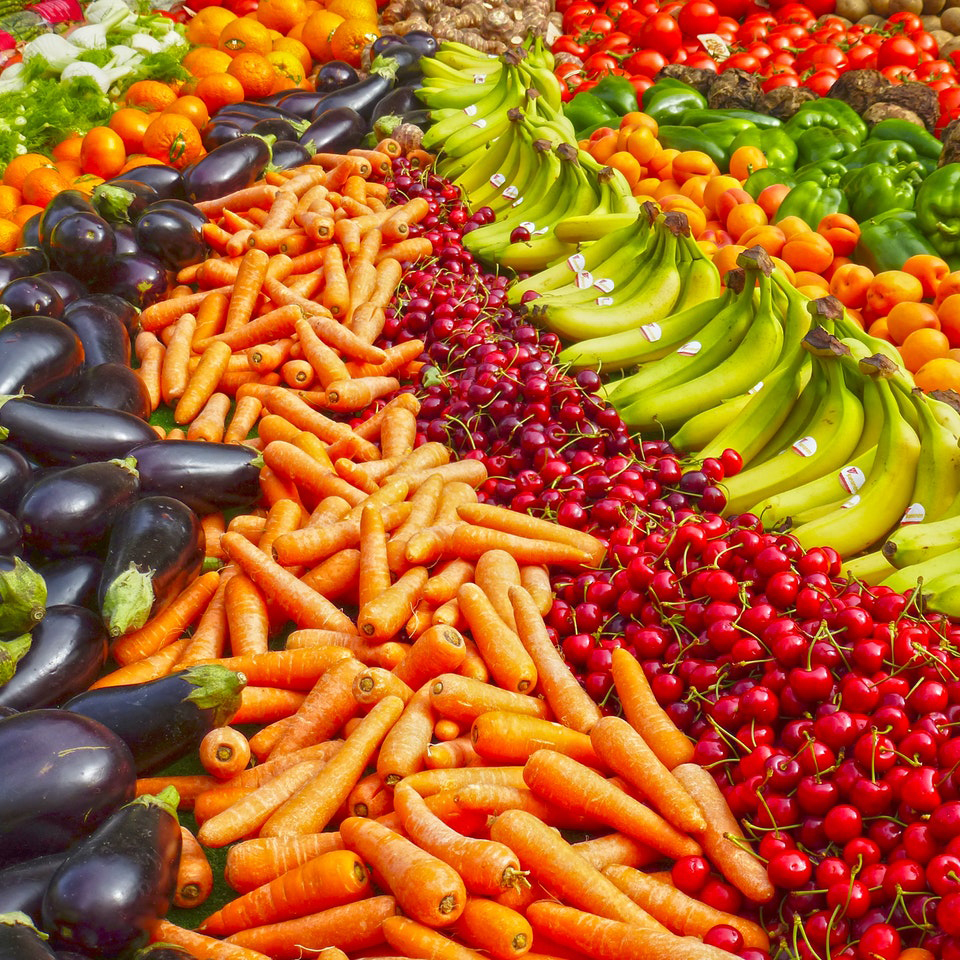
The big five produce sectors were quiet again outside of lettuce. 24-count iceberg climbed another 30% week over week and has nearly quadrupled in price since the first week of August. One more week of gains like that would put iceberg back near $50, which is usually where these late-year rallies end, so a slowdown could come by mid-October. This year’s rally started a few weeks earlier than normal, though, so substantial relief may not come until well into November. Tomatoes eased back last week, which was a bit of a surprise, but the dip shouldn’t last more than another week or two. 48-count Hass avocados were basically level week over week.
Outlook: Lettuce could slow by mid-October, but real relief may not arrive until well into November. Tomatoes still have upside between now and December, and avocados will hopefully stay level through the end of the year.

Grains
Grains had a down week across the board. Corn and soybean meal led the losses, while soybeans and soybean oil held closer to even. Almost all of corn’s losses came Wednesday afternoon, after the September 1 Quarterly Grain Stocks Report. The trade expected corn stocks to land near the 1.922 billion bushel 2025/26 carryout in the September WASDE. Instead, the report showed almost 2.1 billion bushels on and off farms as of September 1, well above even the highest trade expectations. The 2026/27 carry-in will be adjusted to reflect the report. Export demand is off to a slower start this year, so that 173 million bushel increase could carry all the way through to the 2026/27 carryout.
Outlook: December corn dropped back to its nearest technical support at $5. If the selloff doesn’t bring in new export demand, corn may struggle to hold that level this month.

Dairy
CME spot dairy trading was light on Friday, with just 14 loads changing hands. For the week, CME cheese blocks and butter were lower, while dry whey and nonfat dry milk held firm. The nonfat dry milk weekly average climbed to a 19-week high and is within a dime of a multi-decade high. Constrained production has kept nonfat dry milk supplies limited. Domestic buyers are limiting purchases, but export demand remains solid. Butter has solid domestic demand, and export sales are outpacing it. Cheese markets traded at their lowest levels since 2020, weighed down by strong milk and cheese production and historically large cheese stocks. At the end of August, U.S. cold storage cheese inventory was 2.3% above a year ago, the largest in three years and the fourth largest on record.
Outlook: U.S. cheese is trading at its steepest discount to the E.U. since February, which should encourage exports. Further downside risk for cheese prices could be nominal.
Beef
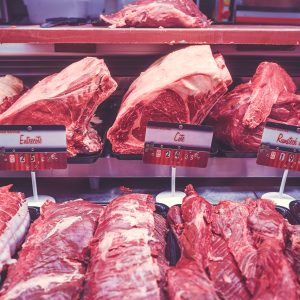
Beef output jumped 13.2% from the previous week, when operational disruptions interrupted production, but was still 2.8% below the same week last year. Late in the week, cattle imports from Mexico picked up to an estimated 7,000-plus head, the most in well over a year. Markets were mixed. They firmed early as slaughter tried to recover, then softened as the week went on. For the week, USDA Choice and Select boxed beef cutouts each gained less than 1%. Ribs and Select briskets led the gainers. Flanks stayed soft and are down more than 7% over the last four weeks. Beef 90 trim was lower, and the rest of the trim markets were higher. The Mexico imports are encouraging, but domestic cattle supplies still need to improve. Pasture conditions, which herd development depends on, remain historically poor: just 19% of pasture was rated good or excellent last week, the lowest for that week in more than three decades.
Outlook: Beef production is expected to run about 3% below last year this fall. The National Weather Service expects drought conditions in cattle country to improve over the coming months, which could build much stronger herd expansion momentum as the new year gets underway.
Pork
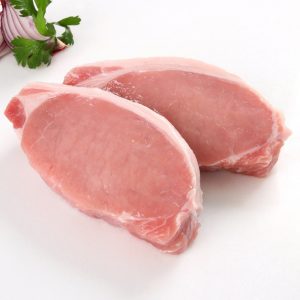
Pork output rose 0.5% from the prior week but was 2.3% below 2025, and year-to-date weekly production is now 0.1% behind last year. Markets were mixed, with many at historically low levels. The cutout fell 1.4%, and ribs, loins, and hams were lower with it. The major pork trim markets also declined, with 42s at their lowest since May. History suggests more trim declines may be coming: the 42 trim market has averaged lower in October than in September in eight of the last nine years. Pork supplies have been limited this year despite heavier hog weights, and that trend looks set to continue this fall. Late last month, the USDA updated its March through May 2026 pig crop to 0.4% below the previous year, the smallest for that period since 2022. Those pigs come to slaughter this fall, and the USDA projects Q4 pork output at well under 1% above 2025.
Outlook: Limited supply and already-low prices could temper the usual seasonal decline in some pork markets over the coming weeks, including bellies. The USDA pork belly primal has averaged lower in December than in September in each of the last seven years.
Poultry
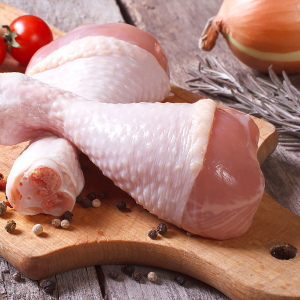
Chicken production stayed in check last week. Young bird slaughter fell 2% from the prior week and was 2% below the same week last year. For the week ending September 26, output rose nearly 4% week over week but was down 1.4% year over year, and 2026 year-to-date weekly production is running just 1.4% ahead of last year. Monthly output has been coming in above the USDA’s weekly estimates, though. August production was a solid 3.3% above last year, on a similar year-over-year gain in slaughter. The six-week average for chick placements is about even with last year, so production should stay tempered through at least the rest of October. Even so, many chicken markets were lower last week, including breasts, wings, and leg quarters. Table egg markets were up slightly.
Outlook: The USDA forecasts Q4 chicken output 2.3% above 2025, and nearly everyone expects output growth to stay tempered this fall. Several major chicken markets usually decline this month, including breasts and tenders. Tenders have been lower in October than in September in 10 of the last 11 years.

Seafood
Frozen Alaskan pollock filet slipped just 2% month over month in the July data and continues to track cod closely. Like cod, pollock ended a four-month winning streak in which its average price surged nearly 33%. The decline came even though import volumes are still well below normal, which hints at some demand destruction in the U.S. That needs to continue for prices to trend lower from here, because the pollock market usually doesn’t peak for the year until Q4. Last year was an exception, but from 2018 through 2024, pollock hit its yearly high between October and December six times.
Outlook: Pollock will likely pick up seasonal support toward the end of 2026, so the best chance for a more meaningful price correction probably won’t come until Q1 2027.