
Alerts & What’s Trending
Produce
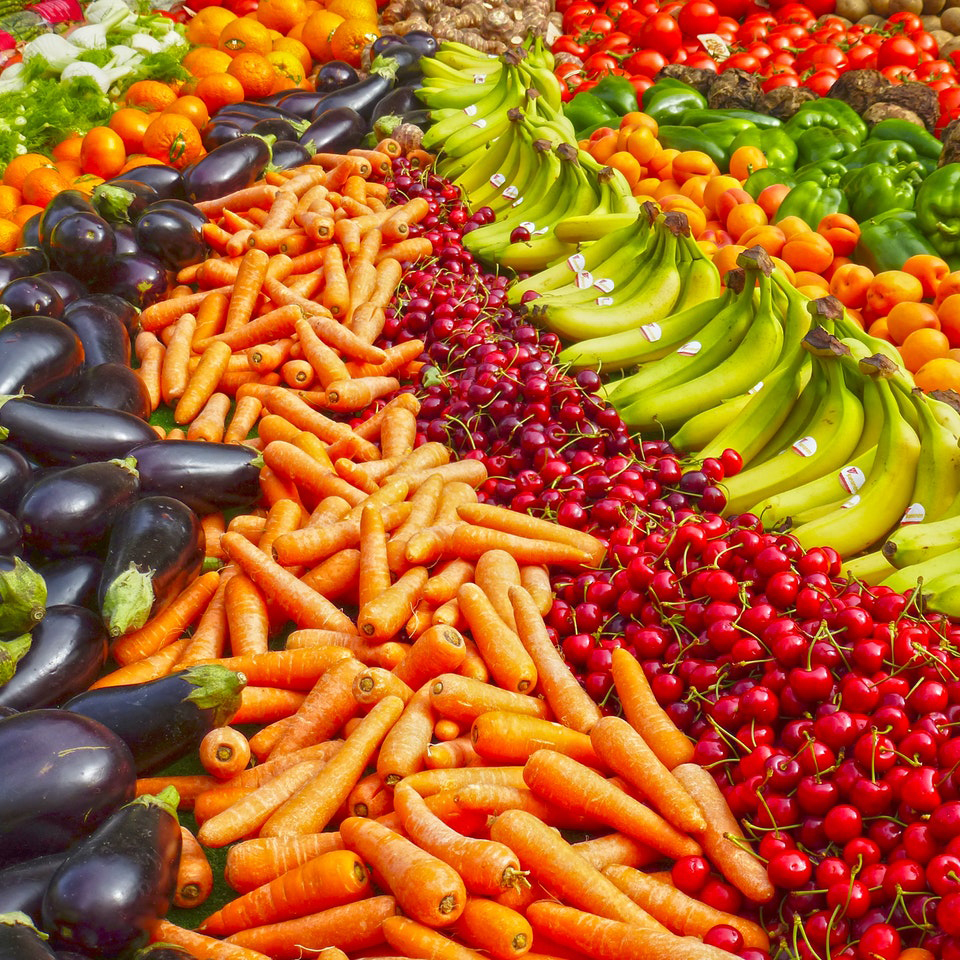
he big-five produce items were largely quiet. 48-count Hass avocados flatlined after three prior weeks of gains; onions capped out after a longer uptrend. 24-count iceberg lettuce and 25 lb. large roma tomatoes eased to new YTD lows, with iceberg falling below $10/carton for the first time since 2023.
Outlook: Most produce markets are expected to remain stable to softer over the next several weeks, with limited upside potential.

Grains
Grains markets quieted with most of the sector still under pressure but supported by technical levels. December soybean oil snapped a six-day losing streak at its 100-day moving average; soybeans leveled out amid trend support but face potential headwinds from expected heavy rainfall in the eastern Corn Belt.
Outlook: Prices will likely stay volatile and dependent on crude oil trends, weather developments, and the pace of Chinese soybean purchases.

Dairy
CME spot dairy trade moderated on Friday after a strong Thursday session. Cheese and butter continued to track well below year-ago levels; milk production is seasonally light but steady, with domestic cheese demand in line with output and exports mixed.
Outlook: Seasonal August tightening from heat stress on cows could lend some support to cheese, though broader dairy prices are likely to remain under pressure.
Beef
Beef output fell 0.5% week-over-week and 2.7% below a year ago (YTD now 5.6% lower), reflecting an 8.1% drop in cattle slaughter. The U.S. will resume phased cattle imports from Mexico later this month (typically ~5% of fed cattle slaughter), but meaningful market impact is unlikely before Q2 2027. USDA Choice and Select boxed beef cutouts rose with primals firm; the July Cattle on Feed report showed inventory 2.2% above last year and June placements at the smallest June level in 17 years.
Outlook: Persistent tight cattle supplies should keep beef prices supported through summer, with limited relief from Mexican imports until 2027.
Pork
Pork production edged 0.3% higher week-over-week but was 0.9% below a year ago (YTD +0.5%), driven by heavier hog weights despite a 0.6% smaller slaughter. Cash hog prices and nearby futures remained soft (lowest weekly close in nearly nine months), and the USDA pork cutout declined again, led by a 12% drop in ham prices; pork bellies were an outlier at multi-month highs.
Outlook: Seasonal strength in the USDA pork cutout (higher in August than July in six of the last eight years) could provide modest support this month despite broader market softness.
Poultry
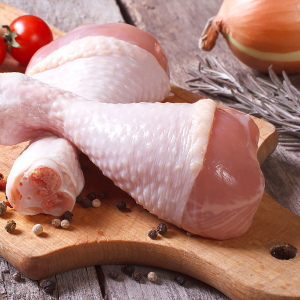
Young chicken slaughter rose slightly last week and was just 0.5% above a year ago, though production for the week ending August 1 finished 0.3% below last year due to 0.8% lighter bird weights. Year-to-date output remains 2.5% above 2025 levels, in line with USDA expectations for Q3. Most chicken markets were soft and finished lower, with wings the notable exception holding firm; Pilgrim’s Pride reported historically poor quarterly earnings while Tyson posted its best fiscal Q3 chicken segment operating income in over three years.
Outlook: Soft demand and mixed producer margins point to continued near-term pressure on chicken prices, though slowing supply growth could provide some stabilization later in the year.

Seafood
Fresh yellowfin tuna import prices continued to track closely with year-ago levels. Tilapia prices came under pressure from above-normal import volumes over the past two months (similar to late 2025), though imports are expected to fade through November.
Outlook: Tilapia should see a moderate price recovery in the second half of 2026, though it is unlikely to fully offset recent sharp declines.