

Alerts & What’s Trending
Produce
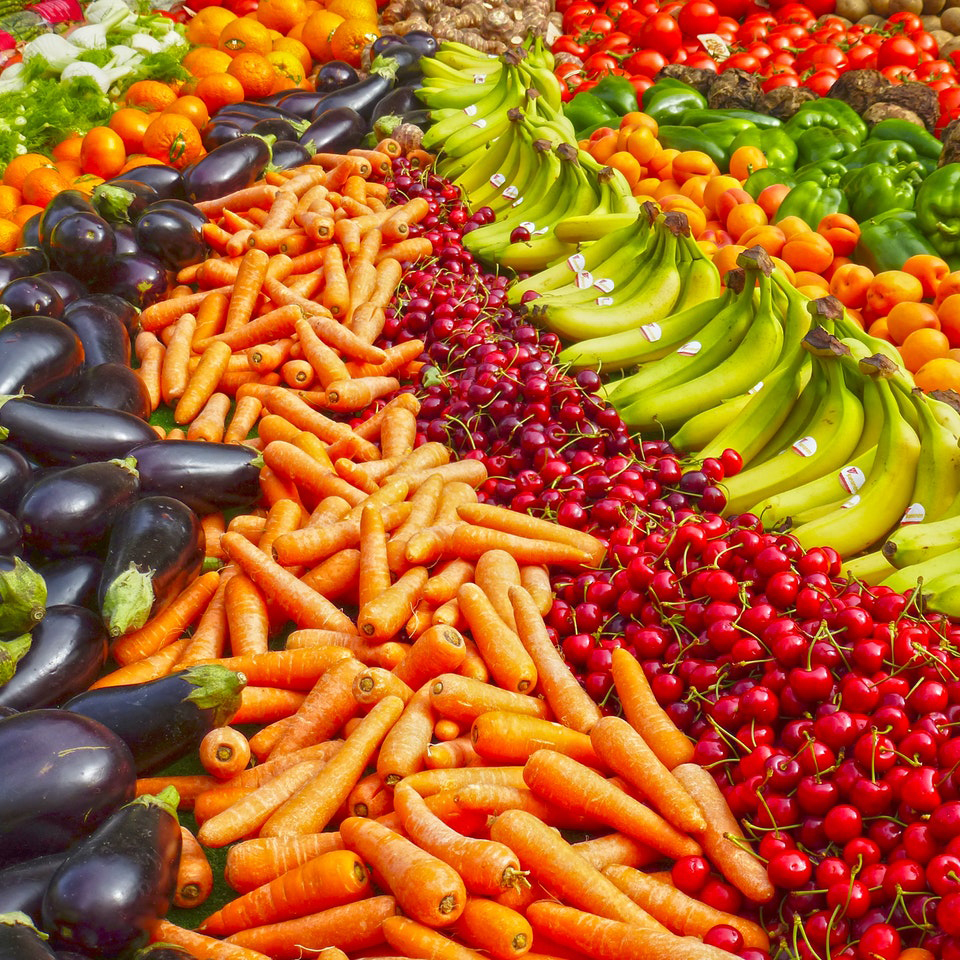
Produce buyers got some welcome relief last week, especially in categories that had been running hot. Iceberg lettuce posted its first weekly decline in five weeks, dropping nearly 28% week over week as supplies improved modestly and elevated prices likely slowed demand. Avocados also moved sharply lower, with 48-count Hass down another 19.7% to a six-week low, while 25 lb. large roma tomatoes fell 16.8% to a new year-to-date low. Even with the pullback, some items may still have upside risk as the summer progresses.
Outlook: Produce markets are offering some near-term relief, but operators should stay alert since several categories could stabilize and turn higher again later this season.

Grains
Grain markets finished mostly higher last week, with corn and soybeans recovering after early pressure tied to pre-report positioning ahead of the USDA’s June Acreage and Stocks reports. The biggest surprise came from corn stocks: USDA estimated June 1 corn stocks at 5.295 billion bushels, reinforcing that demand remains notably strong. While planted acreage for corn and soybeans landed close to expectations, the report was a reminder that even with optimism around the 2026/27 crop, corn fundamentals are not especially loose by historical standards.
Outlook: Grain markets could stay sensitive to demand and crop development headlines, especially in corn, where the balance sheet still looks tighter than normal.

Dairy
Dairy markets are still feeling the weight of ample production, particularly in cheese. The CME cheese block average in June came in 18% below a year ago and marked the second-lowest June average of the past decade, despite historically solid exports. Nonfat dry milk buying remains cautious, but limited spot loads in parts of the country could help prevent a deeper selloff from here. Seasonal declines in milk production are also beginning, which may gradually tighten product availability over the coming months.
Outlook: Dairy is still providing some cost relief, but as milk production eases seasonally, downside in cheese and powder markets may become more limited.
Beef
Beef supply remains tight, with cattle slaughter through Thursday of last week down 8.3% from the same week last year. At the same time, boxed beef values softened, with both USDA Choice and Select cutouts falling 1.5% week over week, led lower by the loin complex as strips and top sirloins moved well below 2025 levels. Lean trim edged higher while fattier trim moved lower, and the broader market is still feeling the strain of elevated cattle costs. Even Tyson’s beef segment posted an operating loss of nearly $400 million in fiscal Q2 2026, underscoring how challenging the current cattle environment has become.
Outlook: Beef pricing may stay elevated at the animal level, but recent weakness in some middle meats could create selective buying opportunities for operators watching the market closely.
Pork
Pork continues to offer relative value, even as markets showed some modest firmness last week. Hog slaughter came in nearly 2% above last year, and the USDA pork cutout was up just over 1% on the week, though loins, butts, and trim all moved lower. Most major primals are still trading below 2025 levels, with ribs the lone exception and bellies down a striking 33% year over year. Notably, the Q2 pork cutout averaged only 1.2% above Q1, far below the typical five-year seasonal gain of nearly 13%, pointing to softer-than-normal demand.
Outlook: Pork still looks like one of the better protein values on the board, though some seasonal firming is possible as Q3 develops.
Poultry
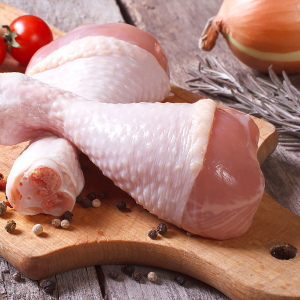
Chicken production continues to run ahead of last year, with output for the week ending June 27 up 1.8% and year-to-date production ahead by 2.6%. That added supply is helping pressure much of the complex, with tenders down 6% last week and boneless skinless breast meat falling to its lowest level in nearly seven months. Wings were the main exception, jumping 8% week over week, though they still remain 35% below the same time last year. A big part of the softer tone in chicken is efficiency: pounds per broiler bird are up 3.7% versus 2025 and sitting at a record high.
Outlook: Chicken remains one of the more manageable proteins right now, but wing strength and any shift in production trends could create pockets of volatility later this summer.

Seafood
Frozen Alaskan pollock filets continued a strong run in the latest data, climbing another 9.6% month over month in April and rising more than 26% since February to a 17-month high. The move has been driven in part by unusually weak import volumes earlier this year, which helped tighten the market more than expected. Imports are expected to improve through the back half of 2026, which could eventually help ease pricing pressure, though pollock typically finds seasonal support later in the year.
Outlook: Seafood buyers may want to keep a close eye on pollock, as prices could stay firm near term even if improving imports set the stage for some eventual relief.