
Alerts & What’s Trending
Produce
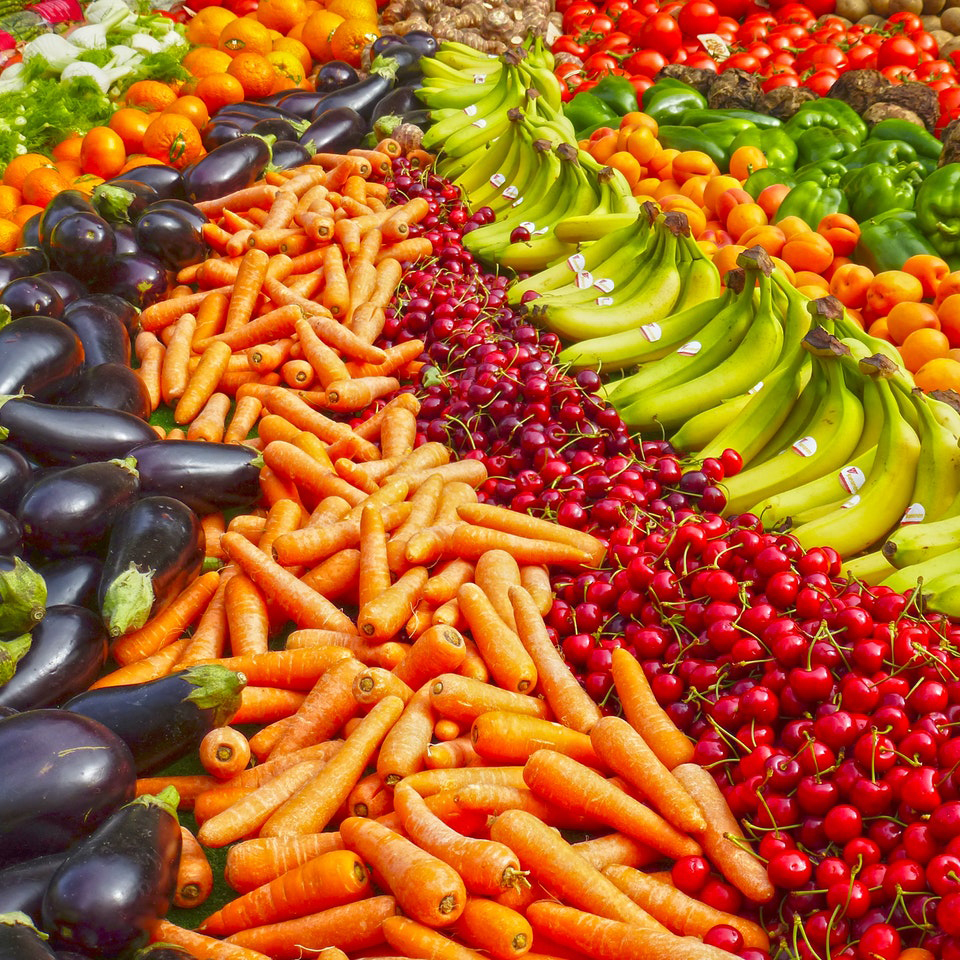
With tomatoes, yellow onions and avocados easing, lettuce—especially 24-count iceberg—became the main price story as multiple supply gaps pushed prices to a year-to-date high and created unusually volatile early‑year pricing. Supply constraints in both western and eastern growing regions have kept upward pressure on iceberg.
Outlook: Buying pressure for lettuce should remain short term (1–2 weeks); broader relief likely won’t arrive until supply gaps close later in the season.

Grains
Grain losses slowed last week; wheat even ticked higher after touching its 100‑day moving average, soybeans largely held ground, and corn rallied early in the week before pressure resumed on Thursday after larger South American production estimates and good U.S. rainfall. December soybean oil is testing the $70 area and remains vulnerable to macro or geopolitical headlines that could send prices lower.
Outlook: Volatility remains likely—watch South American crop estimates, U.S. weather, and vegetable-oil fundamentals for the next directional move.

Dairy
CME spot activity was active but most dairy markets trended lower for the week; nonfat dry milk hit near three-month lows as buyers delay purchases expecting cheaper prices, while butter has shown unexpected firmness despite lower international prices. U.S. butter exports in April surged (~+73% y/y) even as imports rose sharply, and the spread between U.S. and international butter prices has narrowed.
Outlook: Nonfat dry milk pressure likely continues near term, while butter’s tighter trade balance may limit seasonal upside and temper price spikes.
Beef
Weekly beef production fell (down ~2.1% week-on-week and ~2.8% year-on-year), leaving year-to-date production roughly 6.3% below 2025; cutouts finished the week softer with loins and ribs weakest. Concerns about New World Screwworm cases and extremely poor pasture ratings (historically low for this week) threaten herd rebuilding and supply recovery.
Outlook: Supplies are likely to remain tight near term and price risk is skewed higher until pasture conditions and herd health improve.
Pork
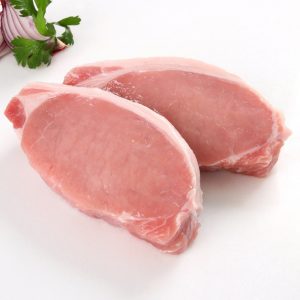
Pork production eased slightly week-on-week but is about 3.2% above year-ago levels for the most recent week and essentially flat year-to-date (+0.4% vs. 2025) as heavier carcass weights offset a small drop in slaughter. Cash hogs were steady-to-firm, but the USDA pork cutout fell ~3.2% for the week—driven by a near 12% slide in the butt—leaving most primals behind year-ago levels (ribs are the exception; bellies are down ~32%).
Outlook: Expect production to remain modestly above last year’s pace through the summer with continued volatility across primals (watch butts and bellies for the biggest swings).
Poultry
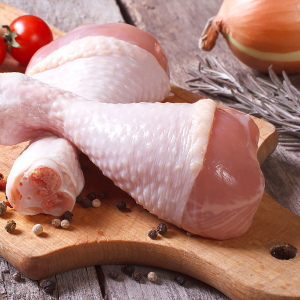
Young chicken slaughter dipped 0.5% last week but remains roughly 1% above the same week a year ago; year-to-date chicken output is about 2.7% higher (helped by heavier weights) while broiler egg sets and chick placements are running roughly 2% above last year. The front half of the bird weakened—breast and tenders fell to their cheapest levels in ~20 weeks—while legs held firm and thighs eased. U.S. exports are weaker (near the lowest since 2016) and record-low dark-meat exports in April are leaving more thigh meat for domestic consumption.
Outlook: Expect continued ample chicken availability into summer and some downside pressure on boneless skinless thighs and breasts unless exports recover or demand rises.

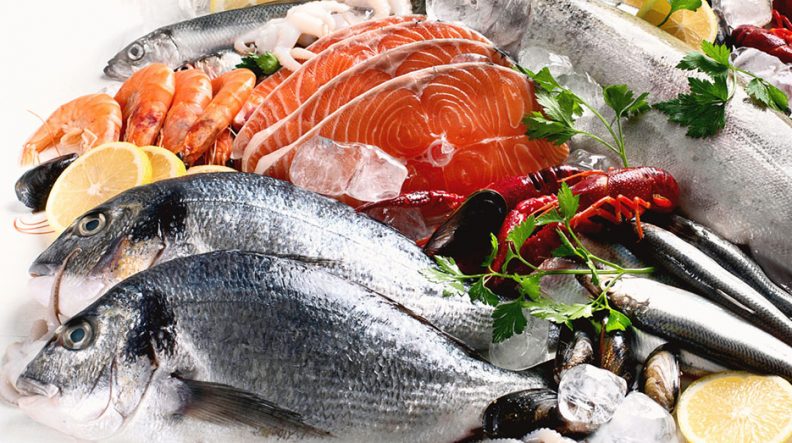
Seafood
Frozen cod fillet jumped again in April import-price data (another +14.4% month-on-month), pushing prices roughly 31% above year-ago levels after import volumes fell to their lowest April level since 2013; the run produced two consecutive all-time highs, though imports likely recovered in May.
Outlook: Cod prices may face easing pressure if May and summer import volumes continue to rebound, but near-term prices remain elevated.