
Alerts & What’s Trending
Produce
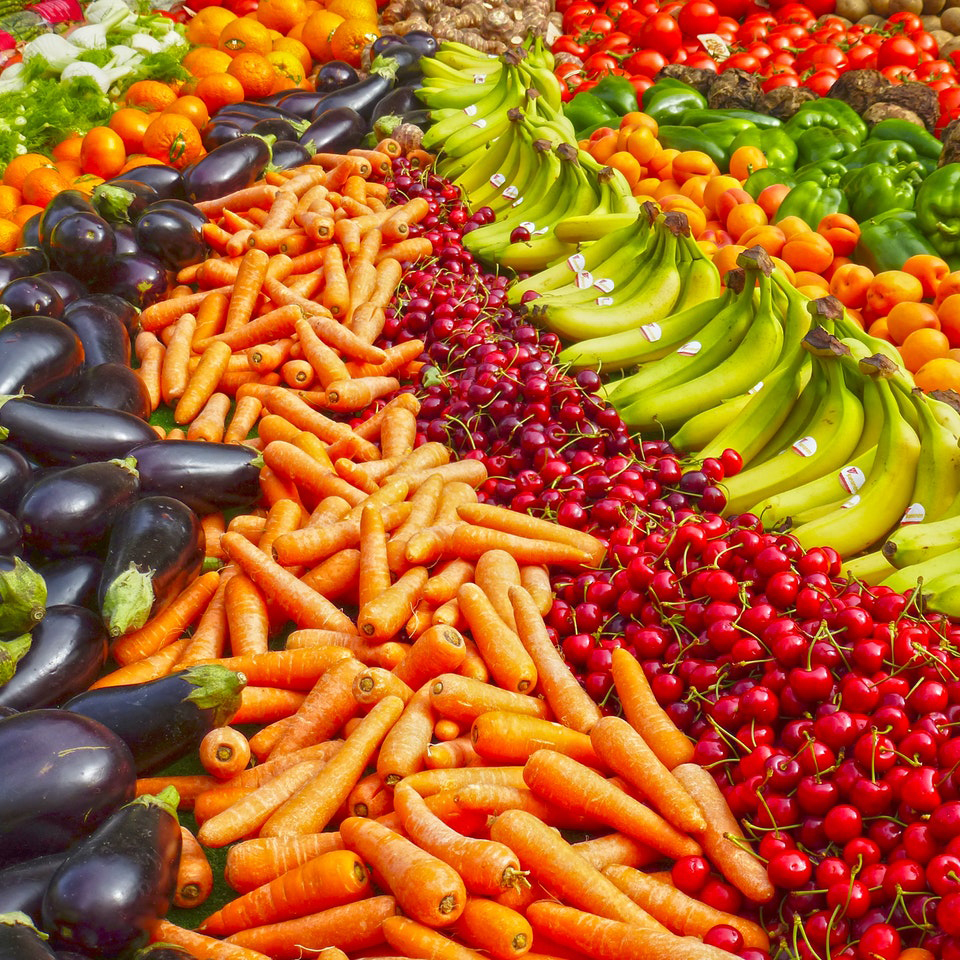
Significant price relief is emerging for key produce items. Tomato prices have dropped sharply due to new supplies from the Eastern U.S. and Mexico, with 25 lb. large romas expected to return to the $10-$15/carton range by late June. Onion markets are stabilizing as the transition from old storage crops to new ones in California and New Mexico is underway, with a sharp price downturn anticipated in the coming weeks. Lettuce prices remain historically elevated after an April surge but are expected to normalize by the end of May, with 24-count iceberg cartons projected to be in the $15-$20 range by mid-June.
Outlook: Expect further price reductions for tomatoes and onions through June, with moderating lettuce costs by mid-June. This presents an opportune time to plan aggressive summer promotions for salads, BLTs, and other produce-forward dishes as availability improves.

Grains
The May Crop Production and WASDE reports provided the first outlooks for the 2026/27 balance sheets. A key takeaway for restaurants is the impact on soybean oil: despite an anticipated 25%+ increase in biofuel demand driven by EPA renewable volume obligations, U.S. soybean oil carryout is expected to rise slightly year-over-year due to increased production and decreased exports. This suggests that current soybean oil prices may not be fully justified by market fundamentals, although the trade has yet to fully adjust. Wheat saw significant news, but its impact on restaurant costs is generally slower to materialize.
Outlook: Fryer oil costs may see potential easing if the market adjusts to bearish soybean oil fundamentals. Bakery and bread ingredient costs are expected to remain relatively stable in the short term.

Dairy
Dairy markets generally eased last week, with the exception of butter, which saw a small gain. Cheese prices are now trading approximately 12% below last year, and butter prices are down a substantial 30% year-over-year, supported by seasonally strong U.S. milk production. Domestic cheese and butter demand is described as steady, and export demand remains strong, with U.S. cheese exports surging 29% in March to a record high, primarily driven by Mexico. However, softer cheese prices in Oceania and Europe may reduce U.S. cheese competitiveness globally, potentially creating a headwind for dairy markets later in the summer.
Outlook: Dairy products, particularly cheese and butter, are expected to remain favorable through early summer. Monitor export momentum as softening global prices could lead to increased volatility later in the season.
Beef
Beef production saw a modest increase of 1.4% from the prior week, though year-to-date output is still down 6.7% compared to 2025, largely due to a 9.3% decrease in cattle slaughter. Markets were mixed, with USDA Choice cutout averaging slightly lower while Select moved higher, with Select finishing above Choice, possibly indicating consumer trade-down behavior. Flanks and chucks led price gains, while briskets and loins declined. Firming trim markets, particularly for higher-fat content, were noted. The resumption of U.S. beef exports to China is a significant development. Crucially, USDA sharply lowered its Q2, Q3, and Q4 production estimates, suggesting a potential decrease in the anticipated backlog of cattle in feedlots, which is a bullish signal for beef prices.
Outlook: Anticipate continued strength in many beef item prices, with potential for selective relief on briskets and loins. Consider managing menu portions and exploring value-centric beef dishes or trim-based items to protect margins.
Pork
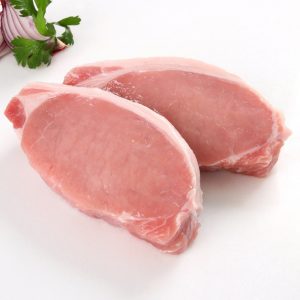
Pork output decreased by 3.6% week-over-week but remains only marginally above last year’s levels. The USDA pork cutout experienced modest gains, primarily driven by strong performance in the butt and rib segments. Pork belly prices continue their significant decline, falling nearly 5% last week and nearly 13% over the past month, trading over 16% below year-ago levels, signaling a potential seasonal buying opportunity. Updated USDA forecasts predict only a 1% increase in Q2 pork production year-over-year and modest per capita consumption growth. While U.S. pork exports to China have been disappointing, exports to Mexico are exceptionally strong, reaching a record high for March and are expected to continue due to Mexico’s demand outpacing its domestic production growth.
Outlook: Pork bellies appear to be a prime seasonal buying opportunity for bacon-forward promotions, while strong Mexican demand should support ham prices. Consider securing belly inventory for summer specials and leaning into ham-based menu items.
Poultry
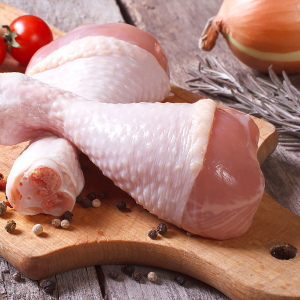
Young chicken slaughter is slightly below last week but remains about 1% higher than last year, contributing to a year-to-date output increase of approximately 3%. While most chicken markets saw gains, boneless skinless chicken breasts experienced a slight dip and are on track to average lower in May than April for the first time since 2019. Chicken wings are trading near decade-low May levels. Table egg prices have risen, while turkey breast markets have softened. Despite positive news regarding U.S. beef exports to China, expectations are for China’s chicken imports to fall to their lowest point since 2013, limiting the impact of any potential export boost.
Outlook: Expect continued price pressure on boneless skinless chicken breasts and potential volatility in wing pricing, presenting opportunities for menu promotions or the consideration of higher-margin breast alternatives and value cuts.

Seafood
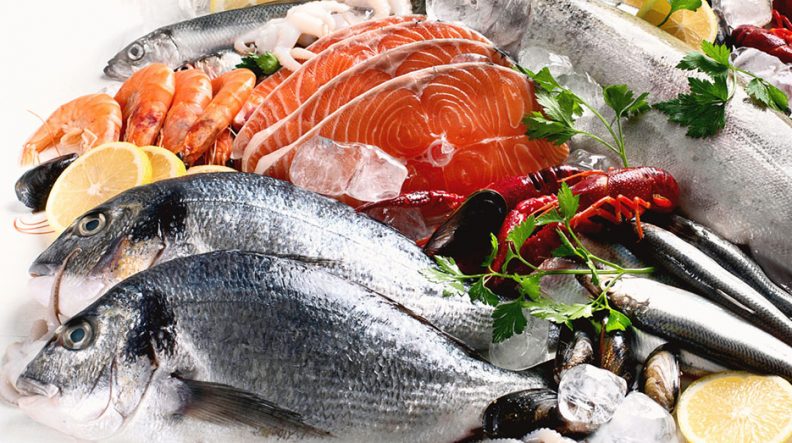
Frozen tilapia fillet prices declined by 8.8% month-over-month in March, which was surprising given historical seasonal patterns that typically show a surge between February and March. Tilapia entered 2026 at an all-time low and has struggled to recover from a significant price collapse in mid-2025. While a dip in April import volumes might have been expected to support prices, tilapia appears to be trending sideways to slightly lower again in real-time.
Outlook: Tilapia and some imported whitefish are expected to remain competitively priced in the near term, offering opportunities for value-driven menu features. Keep an eye on import volume shifts that could impact future pricing trends.