

Alerts & What’s Trending
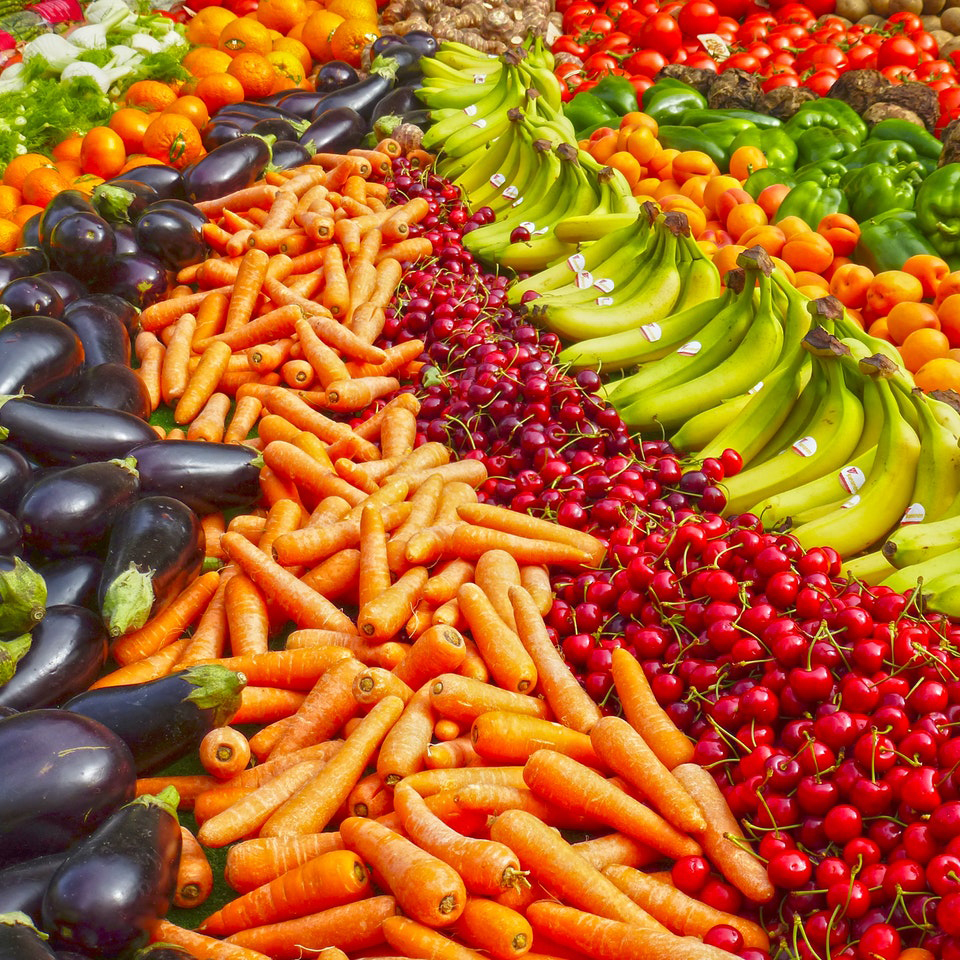
Produce
Tomatoes, lettuce, and onions continue to ease from earlier highs, though the pace of decline for tomatoes has slowed. Potatoes and 48-count Hass avocados showed renewed price strength. This uptick in potato prices is occurring earlier than the typical summer rally as old-crop supplies tighten. Avocado prices have jumped as Mexico’s main crop winds down earlier than normal, though other origins may fill some supply gaps.
Outlook: Expect further upside for potatoes and avocados into the summer before new-crop supplies arrive (potatoes) or Mexico’s next harvest begins (avocados); tomatoes and lettuce should normalize gradually.

Grains
Grains were mostly lower last week. However, soybean oil (SBO) has rallied for five consecutive sessions and cleared the ~$75/cwt resistance level. Further technical upside faces historic highs from 2022 and likely requires crude oil support to extend materially. Soybeans themselves showed little direction.
Outlook: SBO could see more near-term strength, but it is likely capped without parallel crude oil support; overall grain markets look stable to soft for now.
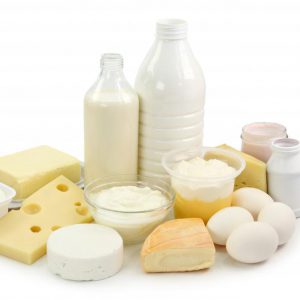
Dairy
Recent CME activity showed declines in nonfat dry milk and cheese, while butter and dry whey strengthened. Nonfat dry milk appears to have peaked. April milk production was up approximately 2.7% year-over-year, driven by herd expansion and yield improvements, indicating expanding milk supplies. The two-year growth in milk production is the largest in several years.
Outlook: Broadly ample milk availability should limit sustained upside in cheese and butter prices, though short-term volatility is possible.
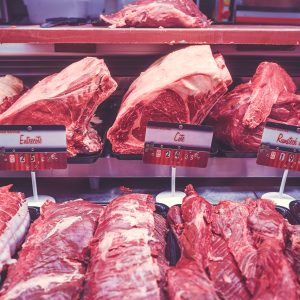
Beef
Holiday-reduced slaughter significantly lowered weekly beef output. Despite this, production remains only modestly below last year. Choice boxed beef prices increased while Select declined. Brisket and flank cuts were gainers, while chuck led losses. Some loin and rib cuts are now trading below year-ago levels. The May 1 Cattle on Feed report indicated feedlot inventories are approximately 2% higher year-over-year, with placements up and marketings down, suggesting cattle are backing up in feedlots.
Outlook: Expect beef supplies to build in the coming months, putting downward pressure on many primal cuts, though specific items like brisket and certain trims may remain supported.
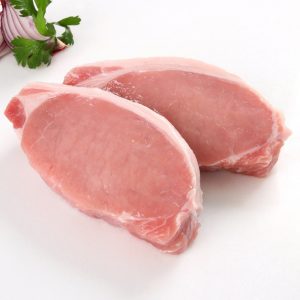
Pork
Weekly hog slaughter dipped due to the holiday, but heavier weights pushed pork production slightly above last year. The pork cutout rose across all primals, with picnics and hams showing strength, and pork butt rallying significantly (approximately 16% over the past month). April cold storage data reveals overall pork stocks are down about 4% year-over-year, with butts and bellies notably tighter. Pork butts are at their smallest April stock levels since 2021, and bellies are at a five-year low.
Outlook: Seasonal demand and tight belly and butt stocks point to meaningful upward pressure on these items through the summer, making current belly prices attractive for forward coverage.
Poultry
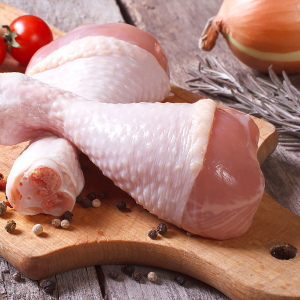
Last week’s young bird slaughter saw a decrease (down 10% week-over-week) due to the Memorial Day holiday. However, year-to-date chicken output remains up approximately 2.9%, with average bird weights slightly lower. Boneless skinless breast and wing prices are softening, with breast meat at 12-week lows and wings posting their lowest May average in over a decade. Conversely, tenders, boneless skinless thighs, and leg quarters are firm, with thighs even trading at a rare premium to breast meat. Table eggs remain very inexpensive. Turkey breast has seen a modest strengthening but is still below month-ago levels. Inventories suggest adequate overall supply, although there was a recent small drawdown in wing stocks.
Outlook: Modest upside risk for wings and select dark-meat items is possible this summer, but ample overall production should limit the chance of a major, broad rally.

Seafood
Frozen Alaskan pollock fillets rose significantly (over 15% month-over-month) in March, reaching their highest level since early last year. This recovery follows a multi-year price slide, aided by import and market dynamics. Prices corrected in April, but momentum suggests additional upside through the fall.
Outlook: Pollock prices are likely to trend higher through the rest of the year; consider coverage if pollock is a significant program item.