
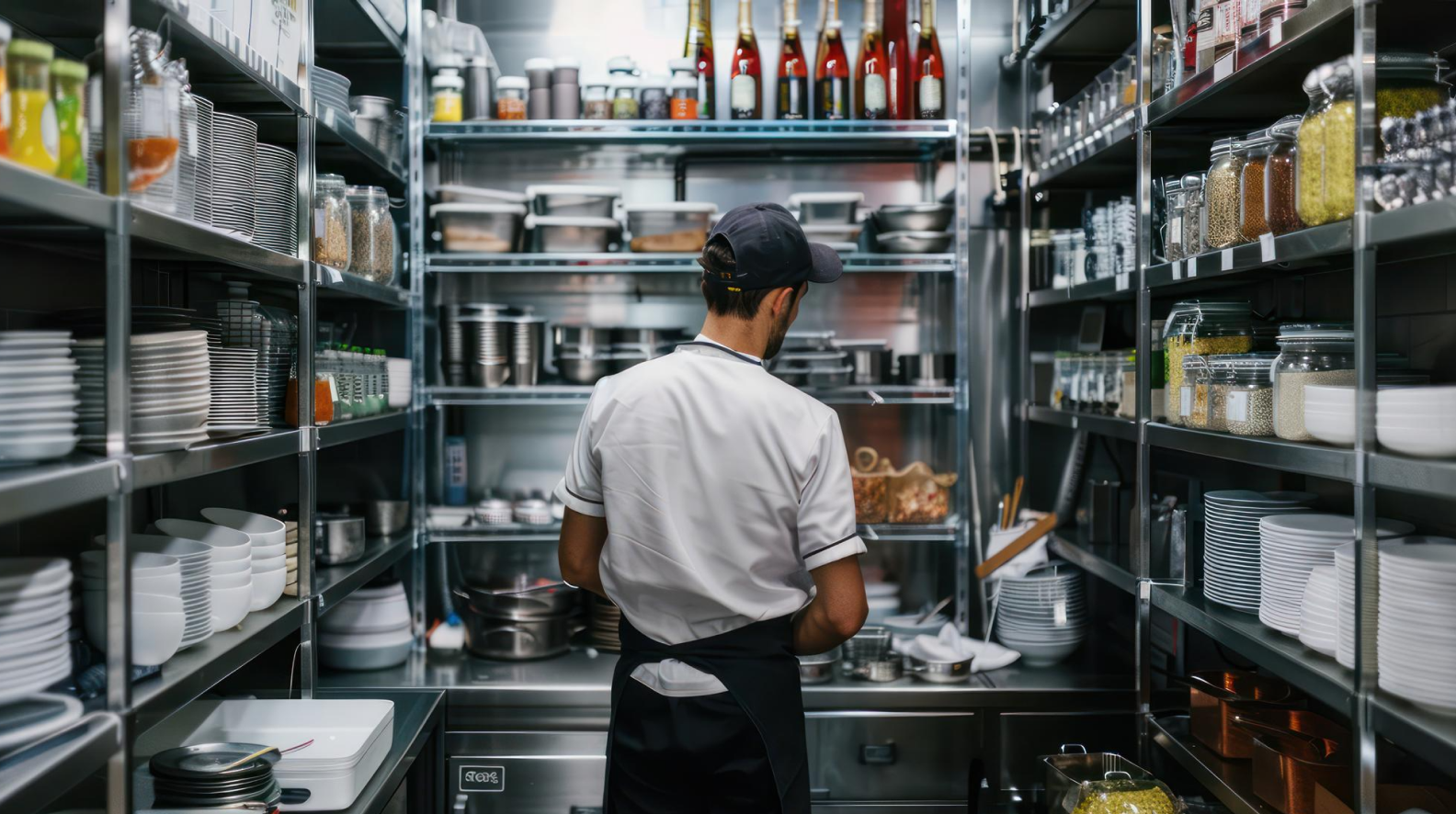
If you’ve ever opened a walk-in and thought, “We just ordered this… where did it go?” — you already understand why food inventory matters.
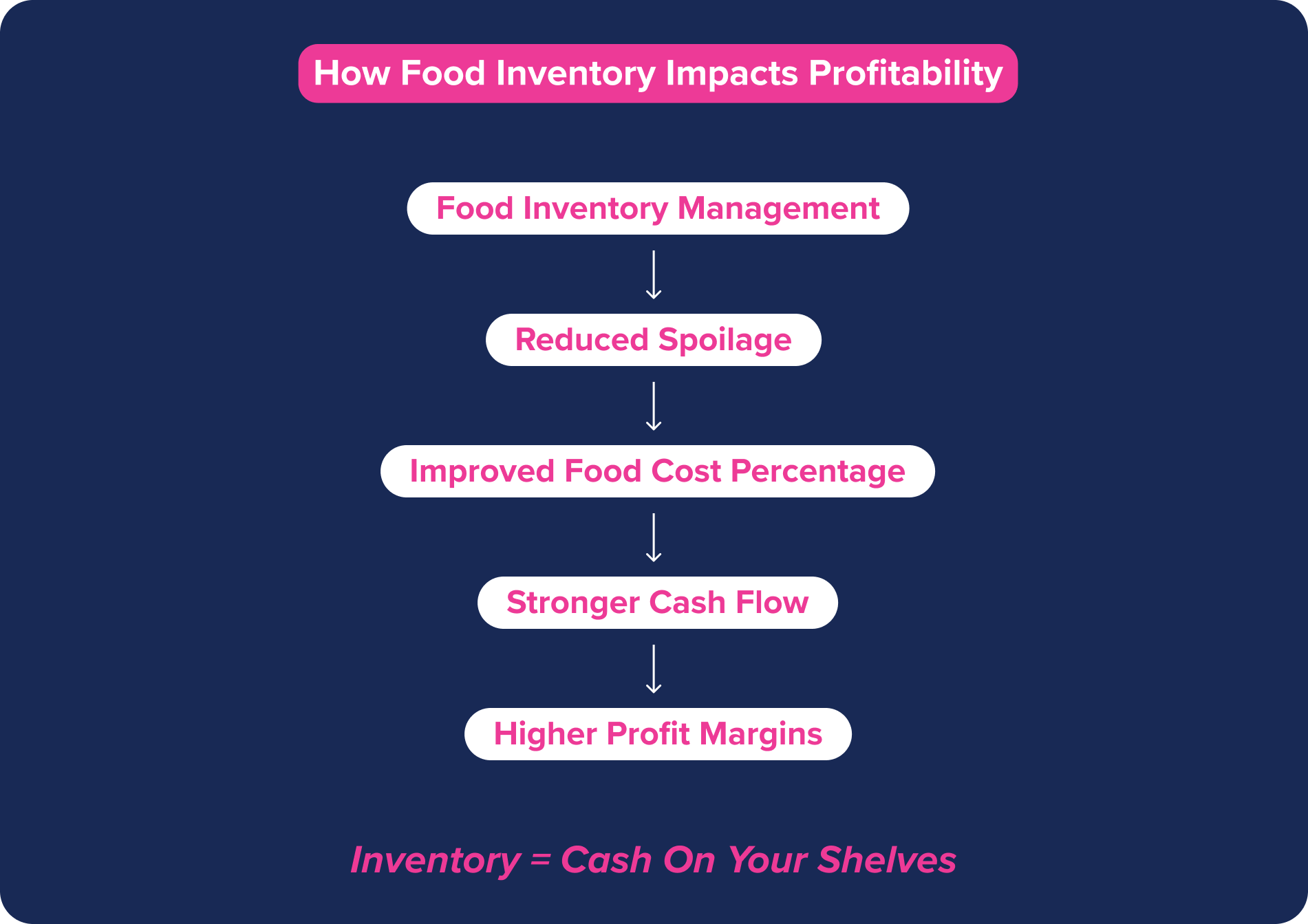
In restaurants, inventory is cash. Every case of produce, every protein portioned out, every prep container in the cooler represents money that has either been protected or lost.
Food inventory management is not glamorous. It does not trend on social media. But it is one of the most powerful ways to reduce waste and protect margins.
When done well, food inventory management brings clarity. When ignored, it quietly drains profitability.
What is Food Inventory Management?
Food inventory management is the process of tracking, ordering, storing, and using ingredients in a way that minimizes waste and controls cost.
It includes:
- Knowing what is on hand
- Understanding how fast items move
- Ordering the right quantities at the right time
- Monitoring usage against sales
At its core, food inventory management answers three simple questions:
- What do we have?
- What did we use?
- What should we order next?
When those answers are unclear, waste increases. When they are precise, profitability improves.
Why Food Inventory Management is Critical for Restaurants
Strong food inventory practices impact nearly every financial metric in a restaurant.
Preventing Food Waste and Spoilage
Spoilage is one of the most common inventory losses. Produce wilts. Dairy expires. Prep gets buried in the back of the cooler.
Effective food inventory management reduces these risks by:
- Rotating stock using FIFO (first in, first out)
- Setting realistic order quantities
- Monitoring shelf life closely
Every discarded item represents lost margin. Tight control over food inventory helps prevent those avoidable losses.
Improving Food Cost Percentages
Food cost percentage is directly tied to inventory control.
If food inventory is inaccurate, food cost numbers will be inaccurate too. Variance between theoretical usage (what you should have used) and actual usage (what you did use) often points back to inventory issues.
Managing your food inventory better leads to:
- More precise ordering
- Not as much prep work
- More strict portion control
And that means that the cost of food will be more predictable.
Ensuring Ingredient Availability During Service
Running out of a key ingredient mid-service damages the guest experience.
When food inventory systems are inconsistent, managers either overorder to avoid stockouts or underorder and scramble during service.
Balanced food inventory management ensures:
- Core ingredients are always available
- Prep aligns with projected sales
- Service runs smoothly
It protects both operations and reputation.
Protecting Profit Margins and Cash Flow
Inventory sitting on shelves is money not moving.
Over-ordering ties up cash. Under-managing spoilage reduces profit. Inaccurate tracking distorts purchasing decisions.
Strong food inventory practices support healthier cash flow by aligning purchasing with actual demand.
Common Causes of Food Inventory Loss
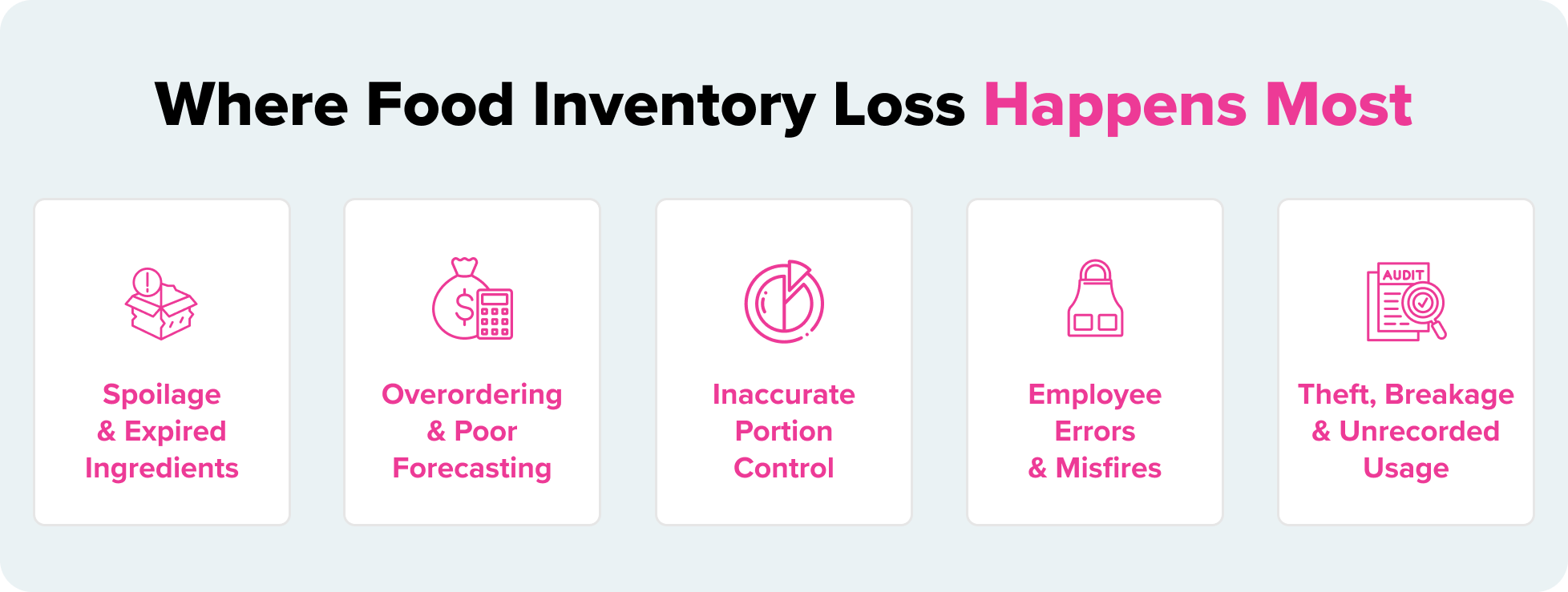
Inventory loss rarely happens for just one reason. It is usually the result of small, repeated gaps in the process.
Spoilage and Expired Ingredients
Spoilage happens when things are not stored properly, the expiration date is missed, or too much prep work is done.
Things get lost and buried if there aren’t clear rules for rotating food inventory. The result is unnecessary waste.
Overordering and Poor Forecasting
Ordering based on habit instead of projected sales is a common mistake.
When food inventory ordering is not tied to sales data or seasonal patterns, excess stock builds up. Eventually, that excess becomes waste.
Inaccurate Portion Control
Portion creep is real.
If recipes are not followed consistently, actual usage will exceed theoretical usage. Over time, food inventory levels will not match sales reports.
That variance often shows up as unexplained food cost increases.
Employee Errors and Misfires
Kitchen mistakes happen. Over-fired steaks. Incorrect prep. Mis-pulled ingredients.
Without tracking food inventory closely, these small errors accumulate and distort usage data.
Theft, Breakage, and Unrecorded Usage
Not all loss of inventory is an accident.
Food inventory levels can be affected by things like unrecorded comps, unlogged waste, breakage, or even theft. Regular checks help find patterns early on.
Food Inventory Management Best Practices
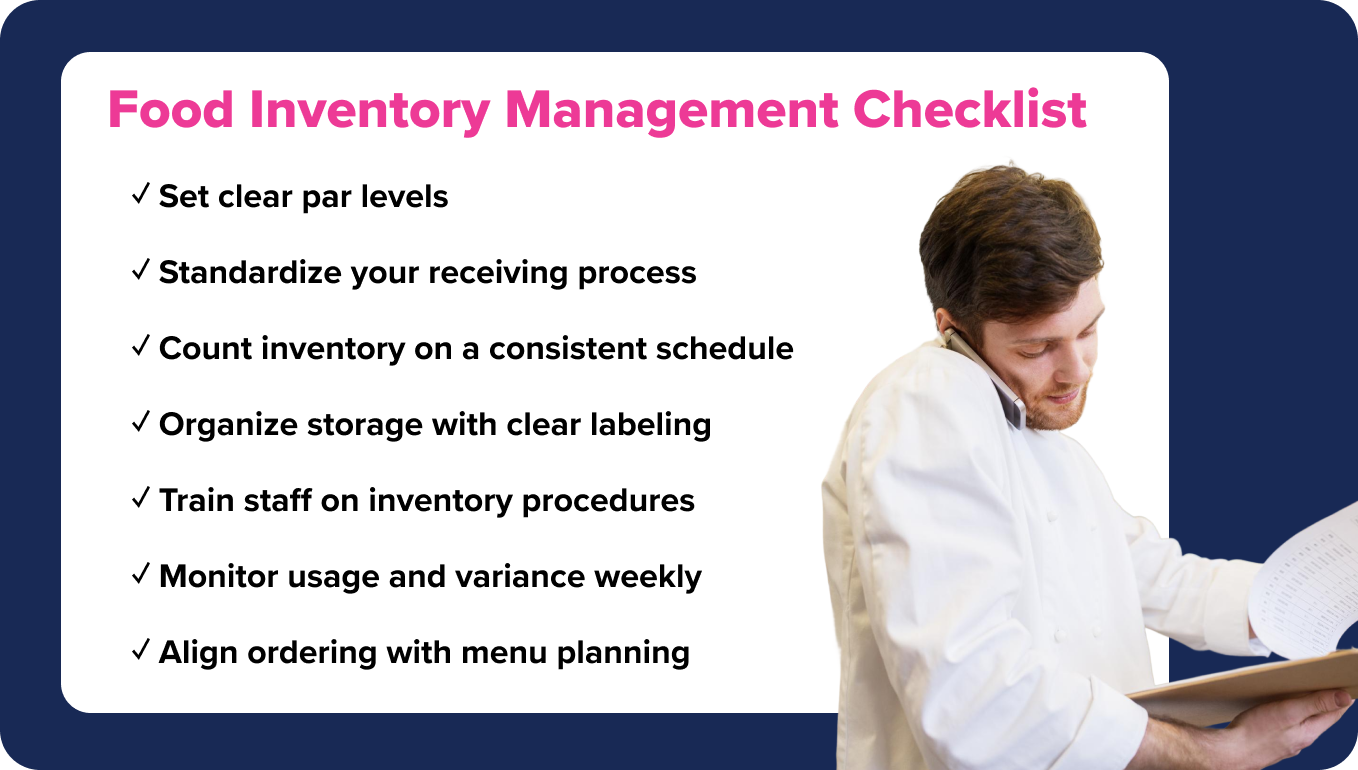
Strong food inventory management is built on consistency.
It is not about counting once a month. It is about building repeatable systems.
Establish Par Levels for Key Ingredients
Par levels define the minimum and maximum quantities you should have on hand.
Setting clear par levels for high-volume ingredients keeps food inventory aligned with demand and prevents both stockouts and overstock.
Create a Consistent Receiving Process
Inventory accuracy starts at the door.
Every delivery should be checked for:
- Correct quantities
- Quality standards
- Accurate pricing
If food inventory enters the building incorrectly logged, all downstream tracking becomes unreliable.
Schedule Regular Inventory Counts
Counting food inventory weekly for core items and monthly for slower-moving items improves accuracy.
Inconsistent counting creates blind spots. Regular cadence creates clarity.
Organize Storage for Better Visibility
You cannot manage what you cannot see.
Clear labeling, dated containers, and organized shelving improve food inventory visibility and reduce the chance of duplicate ordering.
Train Staff on Inventory Procedures
Inventory management is not just a manager’s responsibility.
Cooks, prep staff, and shift leaders all influence food inventory accuracy. Training ensures everyone understands portion standards, labeling procedures, and waste logging expectations.
Track Usage and Variance
Comparing theoretical usage (based on sales) with actual food inventory usage reveals gaps.
If variance is consistent, investigate:
- Portion control
- Prep practices
- Waste logging
Small adjustments often lead to meaningful savings.
Align Inventory with Menu Planning
Menu changes should trigger inventory changes.
Seasonal promotions, limited-time offers, and price shifts impact demand. Food inventory planning should reflect those adjustments to avoid over-purchasing.
How Technology Improves Food Inventory Management
Tracking your inventory by hand works until it doesn’t.
Spreadsheets and clipboard counts can work well for small businesses, but as the number of items grows, so does the difficulty.
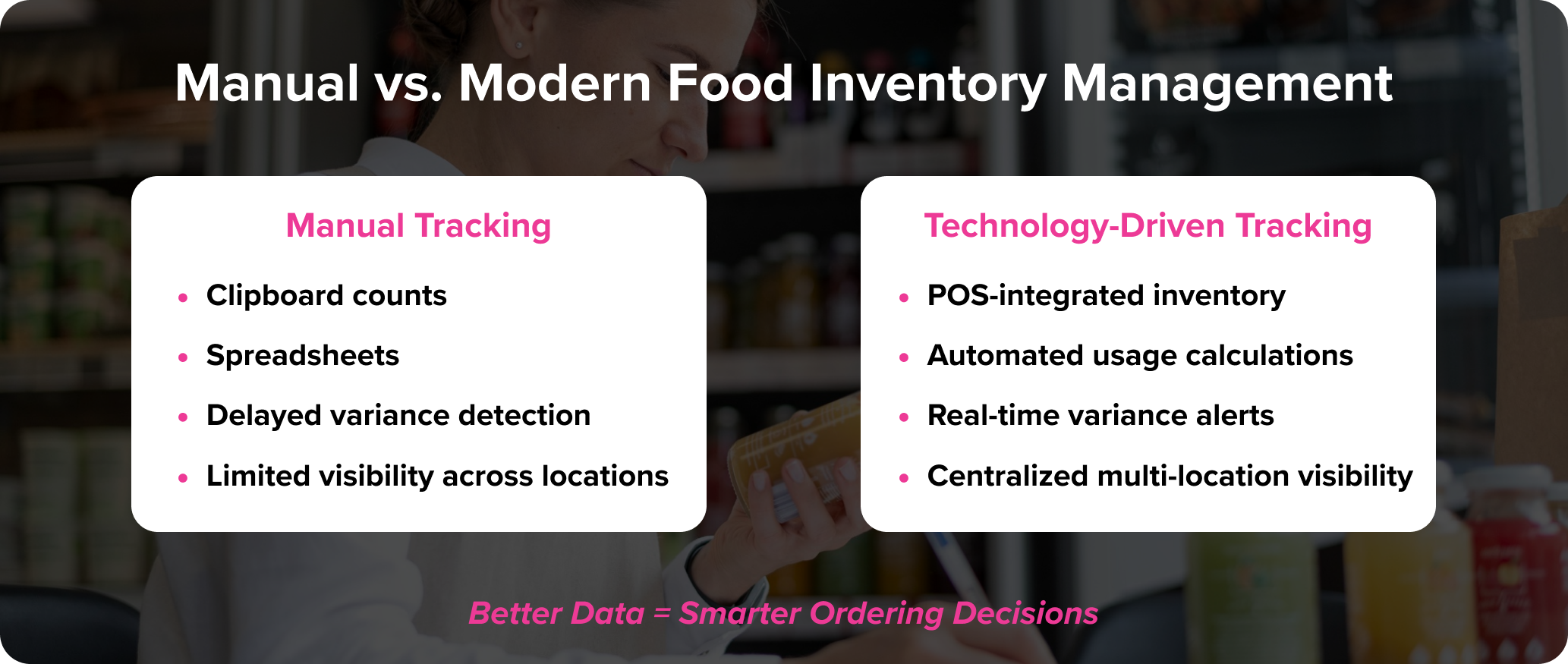
Technology makes managing food inventories easier by:
- Combining inventory with sales data from the point of sale
- Making usage calculations automatic
- Pointing out strange differences
- Making suggestions for how to order
When food inventory data is linked directly to sales and purchasing systems, it is easier to make decisions.
Centralized inventory visibility helps leaders see trends across locations instead of managing each one separately. This is especially useful for businesses with multiple locations.
Food Inventory Management Mistakes to Avoid
Even experienced operators fall into inventory traps.
Relying on Manual or Mental Tracking
“I know what we have.”
That assumption leads to over-ordering and stockouts. Accurate food inventory management requires documentation, not memory.
Counting Inventory Inconsistently
Skipping counts or changing schedules reduces accuracy.
Food inventory control depends on rhythm and repetition.
Ignoring Variance Between Usage and Sales
Something is going on if the theoretical use of inventory doesn’t match the actual movement of inventory.
Ignoring that variance allows waste or loss to continue unchecked.
Failing to Adjust Ordering Based on Demand
Sales patterns shift.
Seasonality, weather, and local events impact traffic. Food inventory ordering must adapt accordingly.
Final Thoughts
Managing a restaurant’s food inventory may not be the most obvious part of running a restaurant, but it is one of the most important.
Every item in your cooler is either a protected profit or a possible loss.
When restaurants have clear, consistent food inventory systems backed up by data, they waste less food, keep food costs stable, and make more money.
Operators who make inventory management a top priority instead of an afterthought set their businesses up for higher, more stable profits.
FAQs
How often should restaurants take food inventory?
High-volume items should be counted weekly. Slower-moving or non-perishable food inventory may be counted monthly. The key is maintaining a consistent schedule.
What causes the most food waste in restaurants?
Food inventory loss is often caused by spoilage, ordering too much, not keeping track of prep waste, and not keeping track of prep waste.
How can food inventory management improve profitability?
By reducing spoilage, improving portion accuracy, and aligning purchasing with demand, food inventory management lowers food cost percentage and protects cash flow.
What is the best method for tracking food inventory?
The most effective approach combines consistent physical counts with POS-integrated inventory tracking technology. This creates alignment between sales, usage, and ordering.
Who should be responsible for food inventory in a restaurant?
Managers are usually in charge of food inventory systems, but success depends on everyone being responsible. The kitchen staff, the prep teams, and the leaders all have a part to play in making sure things are correct.