

Alerts & What’s Trending
Produce
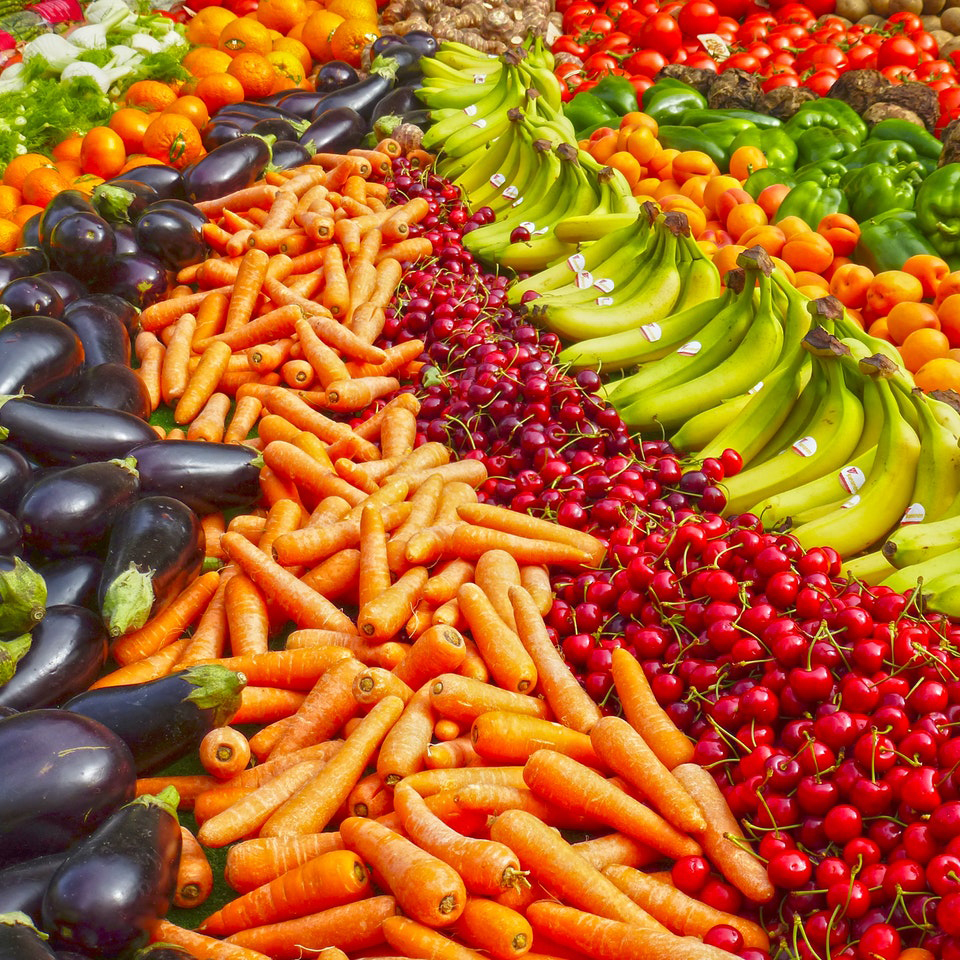
Weather-driven volatility returned to the produce complex. Roma tomato prices jumped 13% week over week, pushing values back into the mid-$15/carton range, largely due to cold conditions across the Eastern U.S. Iceberg lettuce pricing held firm despite expectations for declines, reflecting harvest and yield challenges out West. Avocados continued their upward climb, with 48-count Hass reaching an 11-week high.
Outlook: Cold weather patterns suggest tomato pricing could remain elevated longer than anticipated, while iceberg lettuce carries short-term upside risk. Avocado prices are expected to stay firm until supply relief arrives later in Q2.

Grains
Grain markets rebounded, led by soybean oil as traders position ahead of anticipated EPA rulings on 2026 biofuel blending requirements. Soybeans followed higher but remain capped by technical resistance and concerns around unshipped export sales.
Outlook: Near-term soybean upside appears limited, with resistance around $10.80 likely containing gains unless export shipments accelerate or policy clarity improves.
Dairy
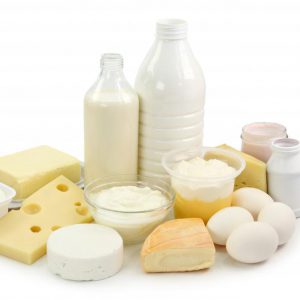
Dairy markets were mostly higher last week, with CME blocks rising to $1.35/lb and barrels holding steady. Butter prices increased to $1.46/lb, though they remain significantly below last year and the five-year average. Cheese production continues to ramp up as manufacturers respond to strong whey demand, while retail dairy demand outpaces foodservice usage.
Outlook: With production running strong and cream supplies readily available, dairy markets are expected to remain balanced, with modest upside possible but no immediate signs of sharp inflation.
Beef
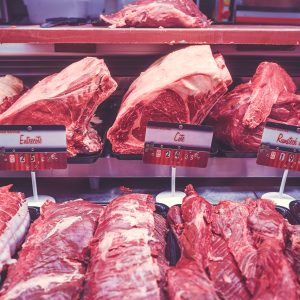
Beef markets continue to reflect tight supply conditions despite softer seasonal demand. Cattle futures edged lower, but boxed beef pricing moved higher, with Choice cutouts reaching $367.45/cwt. Strength was most evident in the loin complex, particularly striploins, while end cuts and trim were mixed. Ground beef pricing showed modest gains, reinforcing ongoing cost pressure across high-volume menu items.
Outlook: With cattle harvest levels running 5–6% below last year and packer capacity reductions expected to deepen supply constraints, boxed beef prices are likely to stay supported into February, limiting near-term relief for multi-unit operators.
Pork
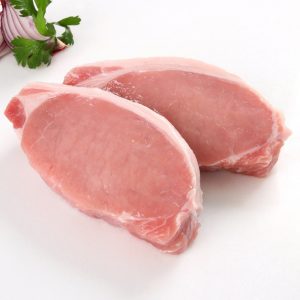
Pork markets gained momentum last week as hog futures, cash markets, and the pork cutout all trended higher. The cutout rose to $94.62/cwt, supported by gains in bellies and pork butts. Export activity remained strong, highlighted by significant international purchases of boneless pork butts. Some trim values softened, but overall pricing signals remain constructive.
Outlook: Pork pricing is expected to trend steady to slightly firmer over the next few weeks. While retail demand remains uneven, freezer inventory rebuilding and export interest are helping support carcass values.
Poultry
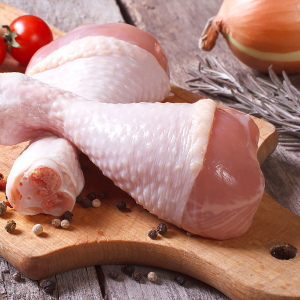
Poultry markets pushed higher across most cuts last week, even as production increased. USDA young chicken harvest totaled 176.3 million head, up 12% year over year, yet pricing remained firm. Boneless/skinless breasts climbed $0.07 to $1.26/lb, now up 8.5% month over month, while still offering long-term relief at 15% below last year and well under the five-year average. Thigh meat strengthened meaningfully, wings rebounded, and tenderloins ticked higher. Turkey pricing stayed flat week over week but remains sharply elevated year over year. Egg prices continued their dramatic correction, now down nearly 90% y/y.
Outlook: With production sufficient but demand holding steady, poultry pricing is expected to remain stable to slightly higher in the near term. White meat and dark meat may stay firm, but year-over-year relief remains a key opportunity for menu planning and contract optimization.
Seafood
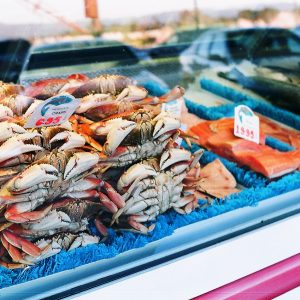
Frozen snow crab prices posted a 7.1% month-over-month increase in the latest data, interrupting a longer-term downward trend. The move mirrors seasonal behavior seen in prior years and represents a pause rather than a full reversal.
Outlook: Snow crab pricing is still expected to resume a downward trend heading into early spring, with potential relief building toward the April on-season.