
Alerts & What’s Trending
Produce
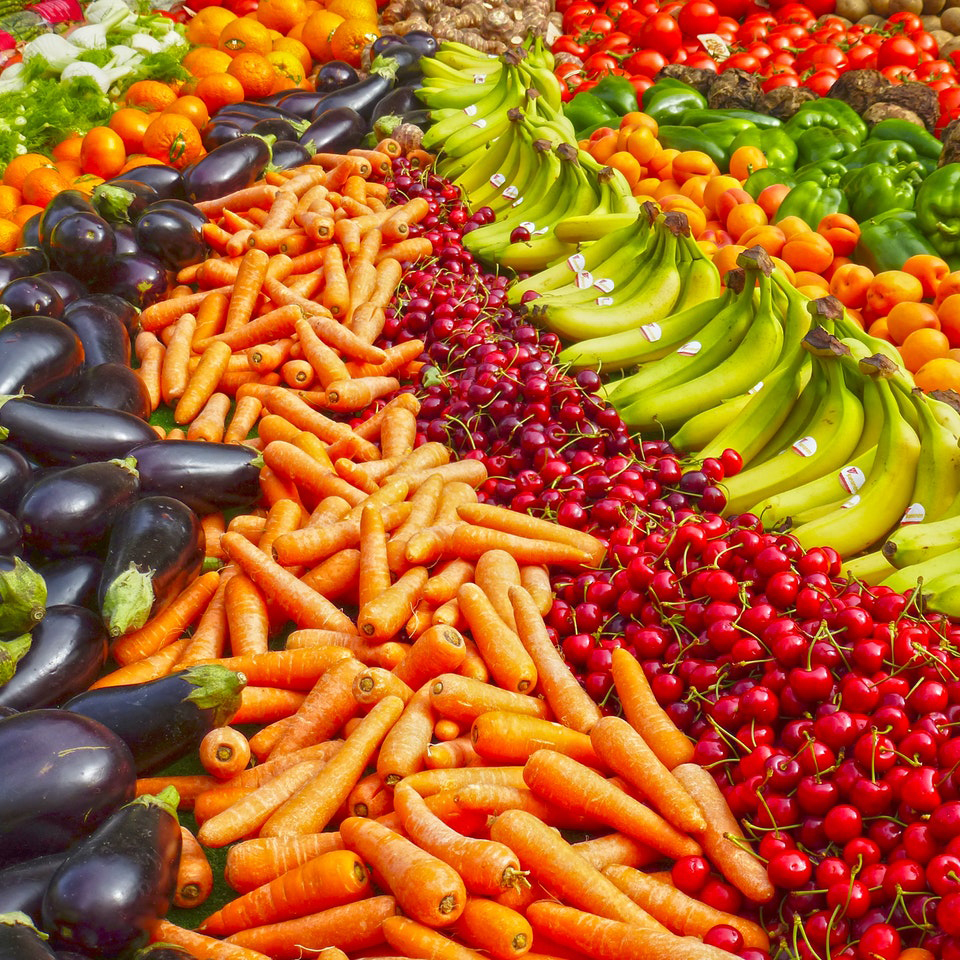
Tomatoes were the standout mover, with Roma prices falling sharply to an eight-week low after peaking in late November. Lettuce pricing continued its steady decline, offering much-needed predictability after fall volatility. Other major produce items remained relatively stable.
Outlook: Tomato prices are expected to level out and potentially firm slightly through year-end before a more meaningful downturn in February. Lettuce prices should continue easing into early 2026, with expectations of returning closer to the $10 range in Q1. This is a favorable window for menu planning and promotions built around fresh produce.

Grains
Grain markets were quiet last week, with soybean exports remaining the main focus. Recent trade activity with China fell short of expectations, contributing to declining futures prices. Market sentiment remains cautious as traders reassess demand potential.
Outlook: Soybean prices are expected to drift toward lower support levels in the near term. While this may not immediately translate to broad cost reductions, easing grain prices could help limit upstream pressure on proteins and packaged goods heading into early 2026.
Dairy
Dairy markets were mixed. Cheese and fluid milk prices declined modestly, while butter edged higher. Retail butter demand remains strong as consumers take advantage of lower prices, and foodservice demand is steady. Production schedules have largely returned to normal following Thanksgiving disruptions.
Outlook: Cheese prices may remain under light pressure into early 2026, while butter prices could stay supported by strong retail demand. Overall dairy markets appear balanced, offering operators a relatively stable planning environment.
Beef
Cattle markets surged last week, but boxed beef prices moved lower as higher harvest levels helped ease supply pressure. Premium cuts like ribeyes and strips were mixed, while end cuts such as chucks and rounds showed modest movement. Ground beef prices were mostly flat to slightly lower, offering some cost stability for value-focused menus.
Outlook: With holiday feature buying largely complete, attention is shifting toward end cuts. Boxed beef prices are expected to remain range-bound through year-end. Operators leaning into chucks, rounds, and ground beef should continue to find better cost control opportunities compared to premium steaks.
Pork
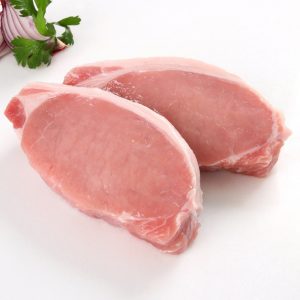
Pork markets strengthened significantly last week, driven by strong international demand and holiday inventory building. The pork cutout and all primal categories moved higher, with notable strength in hams as Easter production ramps earlier than usual. Bellies, ribs, and butts also saw upward momentum, though boneless pork butts showed slight resistance.
Outlook: With export demand remaining strong and domestic buyers securing holiday supply, pork prices may stay firm in the near term. Operators should monitor rib and belly pricing closely and plan promotions strategically, especially for seasonal and limited-time offerings.
Poultry
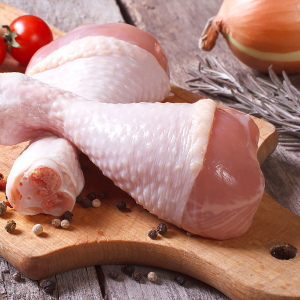
Chicken markets stayed mostly steady last week, supported by strong production levels and easing pressure compared to earlier in the year. White meat prices were largely flat, wings continued to trend lower, and dark meat showed small pockets of strength. Overall, chicken pricing remains significantly lower year-over-year across most cuts, providing welcome relief for operators. In eggs, prices eased week over week as flocks continue to recover from late-2024 HPAI impacts, though month-over-month pricing is still elevated.
Outlook: Wholesale poultry prices are expected to remain relatively stable to slightly higher through December. With prices well below summer 2025 peaks, operators should see more predictable costs heading into year-end. Eggs should continue trending lower year-over-year, though short-term volatility is still possible during the holiday baking season.
Seafood
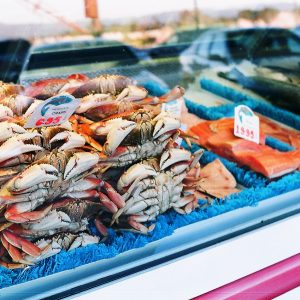
Newly released import data showed continued softening in frozen snow crab prices, which are now well below early 2025 highs. After a volatile year, prices are gradually moving back toward more typical seasonal patterns.
Outlook: Snow crab prices are expected to continue easing into Q1 2026 before bottoming out ahead of the spring season. Operators planning seafood features later in winter may find better buying opportunities as pricing stabilizes.