
Running a food service business has never been harder. Operators are always under pressure to do more with less because of things like labor shortages, problems with the supply chain, and changing consumer tastes and ingredient prices. Foodservice purchasing is a key part of these problems.
Buying ingredients is only one aspect of purchasing in the foodservice sector. It’s the strategy that ensures the right products are available when customers arrive, maintains quality, and increases profitability. When implemented properly, it strengthens relationships with suppliers, reduces costs, and enhances menu consistency. When done poorly, it leads to waste, higher food costs, and unhappy workers.
This guide takes a deep dive into the strategies, tools, and practical tips operators can use to get a handle on foodservice purchasing and set their businesses up for lasting success.
Why Foodservice Purchasing Matters
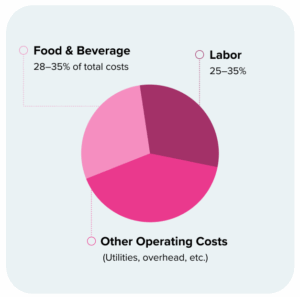
Food and drink costs usually make up 28–35% of a restaurant or foodservice business’s total costs. When your profit margins are already very thin, even small mistakes in buying can slowly eat away at your profits.
But smart buying isn’t just about saving money; it’s what keeps your business running. It has an effect on:
- Guest experience: When you buy the same things over and over, your most popular menu items are always in stock.
- Financial health: Accurate ordering helps you avoid having too much stock, spoilage, and cash that just sits around.
- Supplier relationships: Strong partnerships can get you better deals, discounts, and first dibs on new products.
What is the bottom line? When you do foodservice buying right, you’re not just keeping an eye on spending; you’re also protecting profits.
Establish Clear Purchasing Objectives
Operators need to be clear about their goals before they start looking at contracts, catalogs, and technology. Good strategies for buying food service items often include:
- Controlling costs: Getting better prices through negotiation and using the buying power of a group.
- Quality assurance: Making sure that all locations have the same product standards.
- Sustainability: Partnering with suppliers who are environmentally friendly or who get their goods from local sources.
- Menu innovation: Getting one-of-a-kind items that set your menu apart.
- Supplier reliability: Picking partners who can always deliver and change their plans when there are problems in the supply chain.
For example, a pizza chain with multiple locations might put cost control first when buying cheese and flour, while a fine dining restaurant might put quality and sustainability first when buying proteins and produce.
Setting these goals ahead of time makes sure that every purchase you make is in line with your overall business plan.
Maximize Cost Savings with Data
Buying food for a restaurant is as much about strategy as it is about money. Operators can find savings they might not have found otherwise by using data-driven tools.
Think about this: if your restaurant buys 100 cases of chicken breasts every month, a difference of just $0.07 per pound can add up to thousands of dollars a year. Data shows these differences.
Buyers Edge Platform gives operators:
- Agreed upon pricing with suppliers from all over the country and region.
- Exclusive discounts that put money back in your pocket.
- Dashboards for analytics that show trends, problems, and ways to save money.
With this level of visibility, buying becomes a proactive strategy instead of a reactive one.
Simplify and Standardize Your Ordering Process
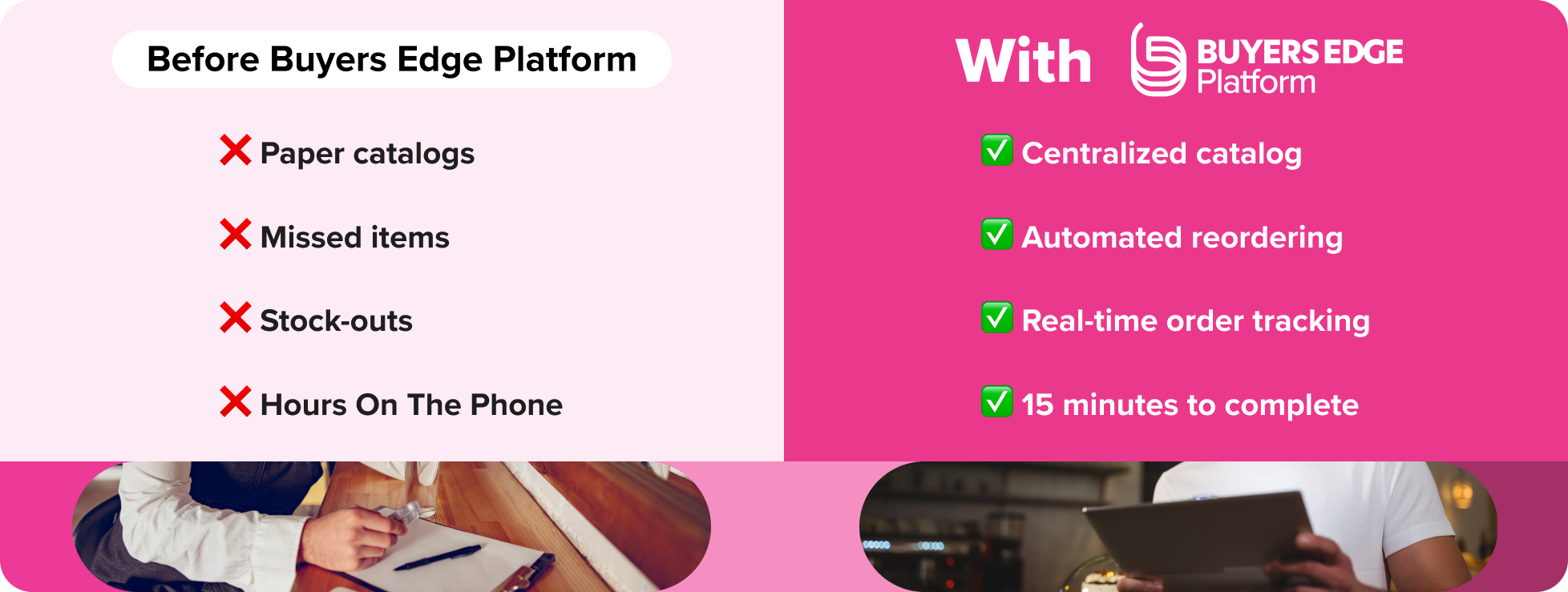
Ordering by phone, email, or paper catalogs is easy to get wrong. Staff can get frustrated and waste time when items are missing, product specifications aren’t clear, or orders are late.
A streamlined digital ordering system fixes these problems by giving:
- Centralized product catalogs for suppliers.
- Comparing products side by side for price and quality.
- Tracking orders and getting status updates in real time.
Think about a café manager who used to spend two hours a week on the phone with suppliers to get coffee, bread, and milk. With a centralized ordering platform, the process can be cut down to 15 minutes, and it becomes more accurate.
Ordering quickly isn’t just about saving time; it’s also about making sure your staff can focus on customers instead of paperwork.
Improve Inventory Management
If buying is the front door of your business, managing your inventory is the back door lock. Not keeping track of things well can lead to ordering too much, wasting food, and higher food costs.
Foodservice purchasing that works well connects directly to systems for managing inventory. This lets operators:
- Keep an eye on your inventory levels in real time.
- Set up automatic reordering based on par levels.
- Keep an eye on usage patterns to avoid waste.
- Cut down on expensive stock-outs of items that sell a lot.
Example: A fine dining operator may lose $10,000 annually from spoilage due to overordering proteins. By integrating purchasing with inventory software, reordering is automated, and waste is reduced significantly.
Inventory visibility also supports more accurate recipe costing and menu pricing, which are two areas many operators are losing margin without realizing it. Strong purchasing practices also tie directly into restaurant accounting, since accurate data on costs and waste makes financial reporting more reliable.
Enhance Menu Planning and Product Sourcing
Today’s diners want menus that offer a good mix of value, quality, and new ideas. Strong foodservice purchasing directly helps with this by giving operators access to a wide range of products and information.
With Buyers Edge Platform, operators can:
- Get to databases of seasonal and specialty items.
- Make plans for menus based on what is available and how much it costs.
- Get ingredients that are local and sustainable whenever you can.
- Try out new products without having to sign long-term contracts.
For example, an operator who buys seasonal produce can make a summer menu that features local tomatoes and cucumbers. This will make guests want to come while keeping costs down by using in-season prices.
Monitor and Analyze Data
You are guessing when you buy something without data, just like when you run a kitchen without recipes. To find new opportunities and fix problems, it’s important to keep an eye on and analyze purchasing data all the time.
Some important things to keep an eye on are:
- COGS % (Cost of Goods Sold): This tells you how well you’re keeping track of how much food costs.
- Supplier Compliance: Are your suppliers following the terms and prices you agreed on?
- Use of Contracts: Are you making full use of the contracts you’ve negotiated access to?
- Category Spend Analysis: What categories (like produce, dairy, and proteins) do you spend the most money on, and where can you save money?
Stay Ahead of Industry Change
The food service industry changes quickly. Changes in the supply chain, new rules, and changing consumer tastes all affect what people buy.
That’s why it’s important to keep learning. Buyers Edge Platform gives operators:
- Reports on the commodity market every week.
- A Foodservice Operator Support Center with tips and information.
- Webinars and chances to meet and talk with people in the same field.
Operators can get ready for changes and change their plans before problems affect their bottom line by staying up to date.
The Future of Foodservice Purchasing
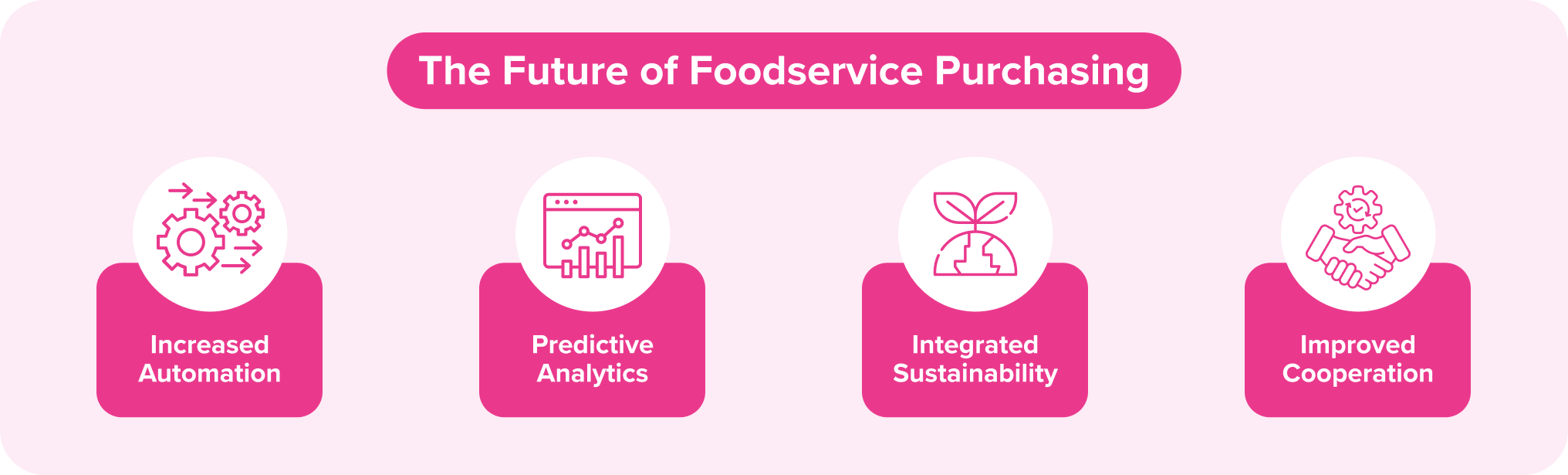
The way operators approach purchasing is being redefined by technology, data, and scale. Foodservice purchasing’s future rests in:
- Increased Automation: from invoice reconciliation to reordering.
- Predictive Analytics: Identifying trends in pricing and demand before they materialize.
- Integrating Sustainability: Matching sourcing tactics to customer values.
- Improved Cooperation: In a networked ecosystem, operators, suppliers, and technology providers collaborate.
Operators can increase resilience and long-term profitability by embracing these changes now.
Master Foodservice Purchasing, Master Your Business
Food service purchasing isn’t just a job that happens in the back office; it’s what makes a business profitable. Every part of buying, from managing suppliers and saving money to keeping track of inventory and coming up with new menu items, is important for the success of the business.
With Buyers Edge Platform, operators can get the tools, information, and supplier networks they need to turn foodservice buying into an advantage over their competitors.
Want to make your buying strategy stronger? Learn how Buyers Edge Platform helps operators save money, make things easier, and make better choices based on data.