Insights / Commodities Report

Vegetables

Commodities Report

Alerts & What’s Trending   Produce Weather-driven volatility returned to the produce complex. Roma tomato prices jumped 13% week over week, pushing values back into the mid-$15/carton range, largely due to cold conditions across the Eastern U.S. Iceberg lettuce pricing held firm despite expectations for declines, reflecting harvest and yield challenges out West. Avocados continued their upward climb, with 48-count Hass reaching an 11-week high. Outlook: Cold weather patterns suggest tomato pricing could remain elevated longer than anticipated, while iceberg lettuce carries short-term upside risk. Avocado prices are expected to stay firm until supply relief arrives later in Q2.   Grains Grain markets rebounded, led by soybean oil as traders position ahead of anticipated EPA rulings on 2026 biofuel blending requirements. Soybeans followed higher but remain capped by technical resistance and concerns around unshipped export sales. Outlook: Near-term soybean upside appears limited, with resistance around $10.80 likely containing gains unless

Meat poultry

Commodities Report

Alerts & What’s Trending   Produce Avocados led produce moves — 48-count Hass climbed w/w, signaling an early start to the typical Feb–May seasonal rally. Cross-border volumes appear normal; demand seems the key push. Lettuce and tomatoes continued down toward ~$10 and are expected to level; tomatoes look calm for Q1 while lettuce can still see intermittent surges. Outlook: Expect avocado prices to trend upward into spring; monitor lettuce for potential spikes late Q1 while tomatoes should remain relatively steady.   Grains Corn led the action — March corn plunged ~5.4% on a surprisingly larger USDA national yield and higher harvested acreage, pushing 2025 production to ~17 billion bushels and Dec. 1 stocks to ~13.3 billion bushels. Later-week demand signals (record ethanol runs, flash export sales) were supportive but insufficient to offset heavy supplies. Outlook: Abundant corn stocks keep downside risk unless sustained demand (ethanol, exports) materializes; any recovery will

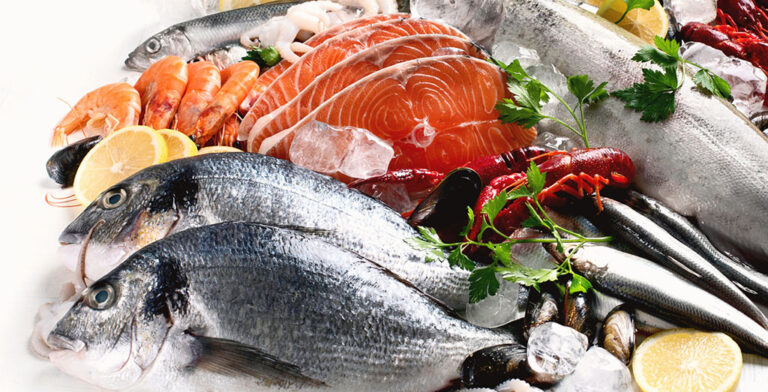
Fresh fish and seafood platter

Commodities Report

Alerts & What’s Trending   Produce As anticipated, lettuce and tomato prices opened the new year on a downward trend following their late 2024 highs. Iceberg lettuce has seen a consistent decline and is expected to stabilize around $10/carton, likely remaining within a $10-$20 range for the first half of the year. Roma tomatoes, after a slight December rebound, are also trending lower. The focus is expected to shift towards avocados, which have been under pressure but may see an uptrend beginning in February. Outlook: Expect stable to declining prices for lettuce and tomatoes in the near term, with potential for an uptrend in avocados starting next month.   Grains The grains market was quiet at the start of the new year, with all eyes on the upcoming USDA report. Corn is particularly poised for potential movement based on yield estimates, while soybeans and wheat could also see shifts. The

Charcuterie board with meats and cheese

Commodities Report

Alerts & What’s Trending   Produce Tomatoes were the standout mover, with Roma prices falling sharply to an eight-week low after peaking in late November. Lettuce pricing continued its steady decline, offering much-needed predictability after fall volatility. Other major produce items remained relatively stable. Outlook: Tomato prices are expected to level out and potentially firm slightly through year-end before a more meaningful downturn in February. Lettuce prices should continue easing into early 2026, with expectations of returning closer to the $10 range in Q1. This is a favorable window for menu planning and promotions built around fresh produce.   Grains Grain markets were quiet last week, with soybean exports remaining the main focus. Recent trade activity with China fell short of expectations, contributing to declining futures prices. Market sentiment remains cautious as traders reassess demand potential. Outlook: Soybean prices are expected to drift toward lower support levels in the near

Vegetables

Commodities Report

Alerts & What’s Trending   Produce Tomato markets corrected quickly following last week’s spike as supply conditions improved. Lettuce is still holding firmer than anticipated due to ongoing harvest issues, though the larger trend points toward a weaker Q1. Potatoes remain steady and well below last year’s pricing, helping alleviate pressure for operators with heavy fry, mash, or baked potato usage across large menu portfolios. Outlook: Expect tomatoes and lettuce to stay somewhat choppy through January, but the overall bias points lower as supply concerns ease. Potatoes should remain stable through the winter with only minor seasonal bumps.   Grains Soybean oil posted another week of unexpected strength, even as soybeans weakened, driven by evolving biofuel policy expectations and usage adjustments reported by the EIA. With oil markets feeling slightly overbought, operators should keep a close eye on frying oil programs heading into 2026, especially those with large-scale, high-volume frying

Meat poultry

Commodities Report

Alerts & What’s Trending   Produce Most produce behaved as expected, but avocados surprised with a second straight drop, falling to $25 and possibly heading even lower thanks to a smooth transition to Mexico’s main crop. Lettuce and tomatoes held steady with modest, predictable movement, suggesting relatively calm produce markets heading into winter. Outlook: Avocados may dip toward $20 if supply stays clean, while lettuce and tomatoes should stay mostly sideways through the end of the year before normal early-January adjustments kick in.   Grains Grains saw a broad pullback as excitement around the U.S.–China soybean purchase narrative cooled, with current exports covering only a small slice of earlier expectations. Soybeans led the decline as market optimism reset around unclear buying commitments and slower-than-expected shipments. Outlook: Unless Chinese buying accelerates quickly, grain pricing—especially soybeans—may continue easing as markets unwind earlier truce-driven gains.   Dairy Dairy markets were mixed as cheese

Fresh fish and seafood platter

Commodities Report

Alerts & What’s Trending   Produce Iceberg lettuce bounced back after last week’s dip due to continued tight Western supplies, while tomatoes continued easing only slightly lower. Romas slipped just under the expected seasonal range but are still close to normal levels for this time of year. Overall, produce volatility is calming down compared to the sharp spikes from late October. Outlook: Iceberg prices should begin a more sustained decline in the coming weeks as supplies improve and demand levels out. Tomato prices are expected to stabilize soon.   Grains Grains saw a burst of activity once the USDA reopened and dropped both the delayed WASDE report and a backlog of large export sales. Export demand held firm, but yields came in higher than some traders expected, sparking a quick realignment in the market. The move shows just how sensitive current pricing is to even small shifts in supply assumptions.

Charcuterie board with meats and cheese

Commodities Report

Alerts & What’s Trending   Produce After several weeks of steady increases, lettuce finally cooled off. Iceberg prices dropped 21% week-over-week, landing back near $40/carton after racing past $50 just a week prior. Other lettuce types held firm, while tomato markets also settled — large romas eased as overall tomato demand remained softer than usual for this time of year. Outlook: Iceberg could stabilize or rebound slightly in the short term, but with the seasonal peak near, prices are likely to ease through late November. Tomato markets may remain steady-to-soft, offering some cost relief for operators heading into the winter months.   Grains Grain markets were volatile last week, swinging on mixed trade signals. Corn, soybeans, and both major winter wheat varieties finished lower. The optimism around a U.S.–China trade truce cooled as China made new soybean purchases from Brazil at lower prices, reinforcing competitive tension. Wheat markets dipped when

Vegetables

Commodities Report

Alerts & What’s Trending   Produce Lettuce prices soared again, up 52% week-over-week, reaching their highest levels since late 2022—now exceeding $50 per carton. The surge has been driven by tight supply out West and limited relief expected in the short term. Roma tomatoes also climbed, though at a slower pace. Outlook: Lettuce prices may continue climbing toward $60 per carton before stabilizing by mid-to-late November. Expect some relief closer to December as growing regions transition and supply normalizes.   Grains Grains traded mostly higher last week, except soybean oil, which weakened. A new U.S.–China trade agreement brought attention to soybean exports, with China committing to import 12 million metric tons this year and 25 MMT annually for the next three years. Corn and wheat showed modest strength as a result. Outlook: Soybeans could see moderate price support through the winter as global demand expectations improve, while corn and wheat

Meat poultry

Commodities Report

Alerts & What’s Trending   Produce Produce markets remain active as cooler weather tightens supply. Iceberg lettuce prices rose another 16% week-over-week to a new year-to-date high, while tomato markets took center stage with large romas jumping nearly 60%, erasing several weeks of losses. Avocados inched higher for only the third time since March, stabilizing near $30 per carton. Outlook: Expect firm pricing on lettuce and tomatoes as growing regions transition and demand stays strong. Avocado markets should remain steady heading into November.   Grains Corn, soybeans, and soybean meal all posted solid gains, breaking through technical resistance levels and finishing the week higher. Traders appear optimistic about potential trade progress with China, though no official news has confirmed that outlook. Analysts note that fund activity and speculative buying likely drove the sudden rally. Outlook: Grain markets may remain choppy as traders wait for firmer signals on export demand and